Western NY Waterfowl Hunting: Duck Species, Seasons & What to Expect

Published: October 6, 2026
Western New York offers a mix of lakes, rivers, wetlands, marshes, and other waterfowl habitat that can attract migrating birds during different parts of the season. Western New York Waterfowl Hunting is influenced by migration timing, weather, water levels, habitat conditions, and the availability of food. Hunters may encounter species such as mallards, wood ducks, black ducks, teal, and other migrating waterfowl, although species presence and numbers can vary by location and timing. Understanding the applicable hunting season, zone, bag limits, and other regulations is essential before heading into the field. New York's waterfowl seasons vary by zone and species, so hunters should check the current regulations for the specific area they plan to hunt. Conditions can change quickly during migration, requiring hunters to adjust expectations and tactics accordingly.
What Makes Western New York Waterfowl Hunting Different?
Western New York has a varied mix of Lake Erie, wetlands, marshes, tributaries, bays, and smaller water bodies that can provide different habitat conditions for migrating waterfowl. These areas offer ducks places to feed, rest, and seek shelter as they move through the region. During migration, weather fronts and changing temperatures can influence when birds move and where they stop. Strong winds may shift birds toward protected water, while colder conditions can change available feeding areas and encourage movement between habitats.
Water levels can also affect access to shallow feeding areas, while ice may reduce usable water and concentrate birds in open sections. Food availability is another important factor because ducks may gather where suitable forage remains accessible. These changing conditions are part of what makes Western NY Duck Hunting dependent on both seasonal patterns and the specific habitat conditions present during a hunt.
Which Duck Species Can You Expect to See in Western New York?
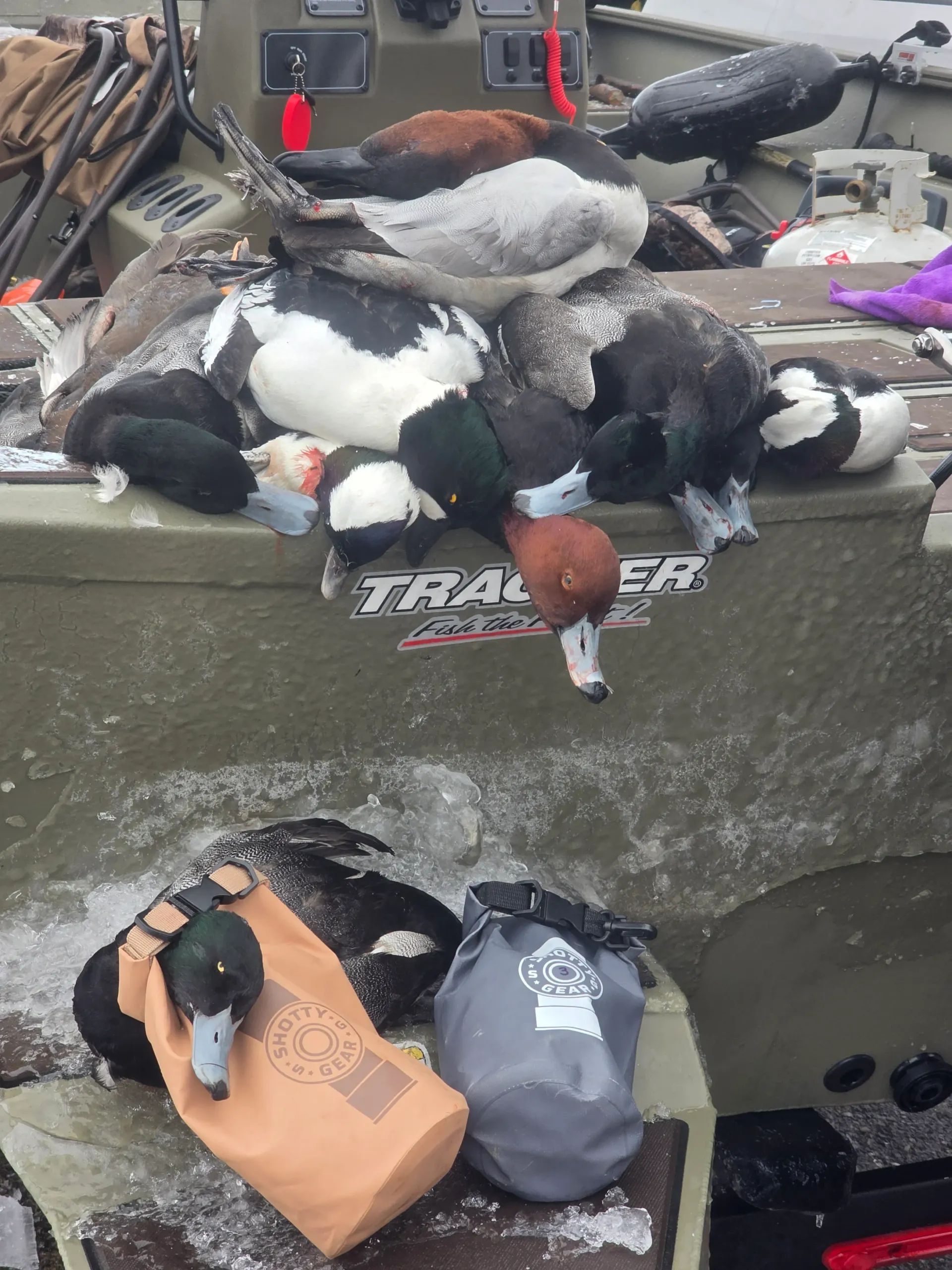
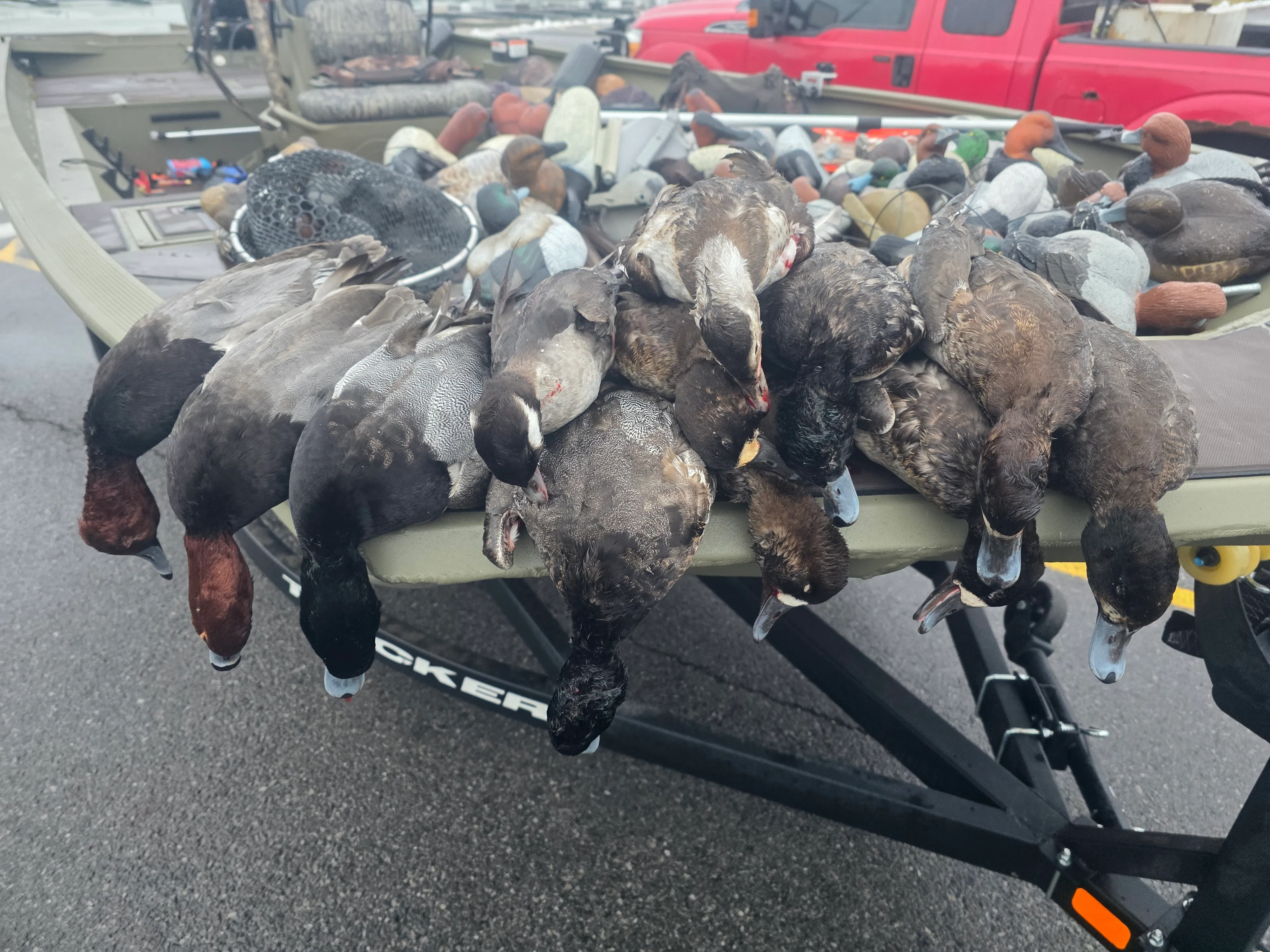
Duck species found in Western New York can vary by location, habitat, weather, and migration period. Hunters may encounter different species as birds move through the region, with some favoring wetlands and smaller waterways while others use larger bodies of water.
Common species to know are:
- Mallards: Mallards are adaptable ducks that can use a variety of wetlands, marshes, ponds, rivers, and other suitable habitats.
- Wood Ducks: Wood ducks are commonly associated with wooded wetlands, creeks, streams, and smaller waterways where suitable cover is available.
- Black Ducks: Black ducks may use marshes, wetlands, and other shallow-water habitats that provide feeding and resting opportunities.
- Green-Winged Teal: These smaller ducks migrate through the region and may use shallow wetlands and other suitable feeding areas during migration.
- Blue-Winged Teal: Blue-winged teal are seasonal migrants whose presence can depend on migration timing and local habitat conditions.
- Scaup and Other Diving Ducks: Diving ducks may use larger lakes, bays, and deeper water where aquatic food sources are available.
- Canvasbacks and Redheads: These diving ducks may also be encountered in suitable areas, depending on location, migration conditions, and available habitat.
Species composition can change throughout the season, so hunters should not assume every species will be present in every hunting area or during every migration period.
When Is the Waterfowl Season in Western New York?
Waterfowl hunting in Western New York follows a split-season structure designed around migration patterns and periods when ducks are moving through or concentrating in suitable habitat. For the 2026 to 2027 season, the Western Zone includes an early fall period followed by a later winter split. Special opportunities are also available for youth, veterans, and active military hunters.
Early Season
The first part of the season begins during the fall migration, when local ducks and early migrants are moving through the region. Milder autumn conditions can produce changing flight patterns, making scouting important for identifying where birds are actively using available habitat.
- Dates & Split: The Western Zone regular duck season begins with the first split from October 10 through November 1, 2026. A Youth Waterfowl Weekend is scheduled for September 26 to 27, 2026.
- Bag Limits & Restrictions: The daily duck bag limit is 6 birds. Species-specific limits include a maximum of 4 mallards, with no more than 2 hens, and 3 wood ducks. Harlequin ducks are closed to harvest.
Mid-Season Migration
The later portion of the season coincides with stronger migration activity as colder temperatures and changing weather systems move birds south. Wind shifts and temperature drops can produce noticeable changes in bird movement, sometimes creating significant opportunities within a short period.
- Dates & Split: The second split runs from December 5, 2026, through January 10, 2027. A Veteran & Active Military Waterfowl Weekend takes place on November 7 to 8, 2026.
- Bag Limits & Restrictions: The standard daily limit remains 6 ducks, while individual species limits continue to apply. Hunters are limited to 2 black ducks, 3 pintails, and 2 redheads per day.
Late Season
As winter conditions become more severe, ice and cold temperatures can reduce available open water and change where ducks concentrate. Hunters may need to focus on remaining open-water areas and reliable feeding locations while accounting for difficult weather and access conditions.
- Dates & Split: The second split continues through January 10, 2027. A specific Scaup season occurs from December 22, 2026, through January 10, 2027.
- Bag Limits & Restrictions: The overall daily limit remains 6 birds. During the designated scaup period, the daily scaup limit is 2 birds, compared with 1 bird outside that window. Canvasbacks are limited to 2 per day.
Hunters must complete Harvest Information Program (HIP) registration and use federally approved non-toxic shot when hunting migratory waterfowl. Because regulations can change, hunters should confirm the current NYSDEC rules, including applicable species limits and special restrictions, before each hunt.
Where Should You Look for Ducks in Western New York?
Duck distribution across Western New York changes with migration, weather, water levels, wind, and available food. Instead of relying on fixed hotspots, hunters can evaluate different habitat types and look for signs of active bird use. Understanding how ducks respond to changing conditions can make scouting more productive throughout the season.
Lake and Shoreline Habitat
Large lakes and exposed shorelines can provide resting and feeding areas for migrating ducks, particularly when food is available nearby. Wind direction can affect how birds use the shoreline, with ducks sometimes favoring areas that offer shelter from strong winds. Changes in temperature and wave conditions can also influence their movement along the lake.
Marshes and Wetlands
Marshes and wetlands provide shallow water, aquatic vegetation, and natural cover that can support feeding ducks during migration. These areas may become particularly useful when colder weather makes exposed water less comfortable. Vegetation can also provide shelter from wind while offering access to seeds, aquatic plants, and small invertebrates that different duck species may use.
Bays and Protected Water
Bays and other sheltered sections of water can provide calmer conditions when strong winds affect larger bodies of water. Ducks may move into these areas for resting or feeding before returning to more open water. The location and amount of available cover, along with food sources and water conditions, can influence how long birds remain.
Tributaries and Smaller Waterways
Creeks, tributaries, and smaller waterways can attract certain duck species during parts of the migration season. Their value depends on water depth, current, vegetation, and surrounding cover. Rising or falling water levels can change access to feeding areas, while nearby trees and vegetation may provide additional shelter. These habitats are worth checking when larger waters become less productive.
What Hunting Conditions Should You Expect?
Waterfowl hunting in Western New York can involve rapidly changing conditions, particularly as the season moves from early fall into winter. Cold temperatures become more significant later in the season, making proper layering and suitable outerwear important for remaining comfortable in the field. Wind can affect bird movement, concealment, water conditions, and boat handling, especially on larger bodies of water. Rain and changing weather may alter duck activity and reduce visibility during a hunt.
As temperatures fall, open water and ice can also change access and create additional safety considerations. Migration patterns may shift after major weather fronts, affecting both bird numbers and the species present in an area. Fog, rain, low light, and rough water can further limit visibility, making careful identification especially important before taking a shot.
What Should You Know Before Hunting Waterfowl in Western New York?
Before heading into the field, hunters should confirm the regulations that apply to their specific zone, species, and hunting situation. New York waterfowl hunting is subject to both state and federal requirements, including rules covering licenses, HIP registration, stamps, species identification, shooting hours, bag limits, and access.
- Check Current Regulations: Verify the current New York waterfowl hunting dates, applicable zone, daily and possession limits, and species-specific restrictions before hunting, as these requirements can vary by season and species.
- Confirm Required Documentation: Check whether you need a valid New York hunting license, NYS HIP registration, and the applicable federal migratory bird hunting stamp or other required documentation. Hunters should confirm current requirements before the season.
- Know Species Identification Requirements: Correct identification is essential before taking a shot because several duck species can have similar appearances, particularly under difficult lighting, rain, fog, or other challenging conditions.
- Follow Shooting Hours and Bag Limits: Hunt only during legally permitted shooting hours and stay within the applicable daily and possession limits for each species.
- Check Access Rules: Public and private properties can have different access requirements. Confirm permission, property rules, and any local restrictions before entering or hunting an area.
What Can You Expect From a Western New York Waterfowl Hunting Trip With RNK Outdoors?What Can You Expect From a Western New York Waterfowl Hunting Trip With RNK Outdoors?
Waterfowl hunting conditions can change significantly throughout the season as weather, water levels, wind, food availability, and migration patterns shift. A location that holds birds during one period may not offer the same opportunities later, making current conditions important when planning a hunt.
RNK Outdoors provides guided Western New York Waterfowl Hunting opportunities for hunters looking to pursue migrating ducks in changing seasonal conditions. Local knowledge can provide useful context about current habitat, bird movement, and how weather may affect where ducks are using available water. The hunting approach can then be adjusted according to what conditions present during the trip.
For hunters considering Western NY Duck Hunting, flexibility is important because bird numbers, species, and movement can change throughout the season. A guided trip can focus on current conditions rather than relying entirely on a fixed seasonal pattern, while still allowing hunters to experience the changing habitats and migration activity found across Western New York.
Conclusion
Successful Western New York Waterfowl Hunting requires an understanding of duck species, seasonal movement, habitat conditions, weather, and current regulations. Ducks can shift between open water, marshes, sheltered bays, and smaller waterways as wind, temperature, water levels, and food availability change. Hunters should also confirm current hunting rules and identify species correctly before taking a shot. Preparation and adaptability become especially important when conditions change during the season. A guided experience can provide local knowledge while helping hunters adjust their approach to current conditions. For hunters interested in Western NY Duck Hunting, contact RNK Outdoors to learn about available waterfowl hunting opportunities.
FAQs
1. When does waterfowl hunting season begin in Western New York?
The Western Zone regular duck season begins in October, with a second split beginning in December. Hunters should confirm current dates before planning a hunt.
2. What duck species can you hunt in Western New York?
Hunters may encounter mallards, wood ducks, black ducks, teal, scaup, canvasbacks, redheads, and other species, depending on location, migration timing, and current habitat conditions.
3. Where should you look for ducks in Western New York?
Ducks may use lakeshores, marshes, wetlands, bays, tributaries, and smaller waterways. Their location can change with wind, water levels, food availability, and migration conditions.
4. How does weather affect waterfowl hunting in Western New York?
Weather can influence migration, bird movement, visibility, and habitat use. Temperature drops, wind shifts, rain, and changing pressure patterns can all affect where ducks concentrate.
5. Do ducks change locations during the hunting season?
Yes. Ducks can move between open water, wetlands, sheltered areas, and smaller waterways as temperatures, water levels, food availability, and migration patterns change.
6. What regulations should waterfowl hunters know in New York?
Hunters should check current season dates, zone regulations, species restrictions, bag limits, shooting hours, licensing requirements, HIP registration, and applicable federal requirements.
7. Why is species identification important when hunting ducks?
Several duck species can look similar, particularly in poor visibility or low light. Correct identification helps hunters determine whether a bird is legal to harvest before taking a shot.
8. What conditions can make Western New York waterfowl hunting difficult?
Cold temperatures, strong winds, rain, fog, rough water, ice, and limited visibility can make hunting more challenging and may change bird movement and access conditions.
9. What can you expect from a guided Western New York waterfowl hunting trip?
A guided trip can provide local knowledge about current habitat and bird movement while allowing the hunting approach to change according to weather, water conditions, and migration activity.
10. Can I book a Western NY Duck Hunting trip with RNK Outdoors?
RNK Outdoors offers waterfowl hunting opportunities in Western New York. Hunters can contact the outfitter to discuss available trips and current hunting opportunities.