Buffalo Fishing Report

Published: October 6, 2026
Buffalo sits where Lake Erie, the Niagara River, and the Buffalo River meet, giving anglers access to a wide range of freshwater fishing opportunities. Mid-September brings an important seasonal change as cooling water temperatures begin to shift fish behavior. Smallmouth bass are actively feeding on large schools of emerald shiners, while walleye are moving through deeper structure and feeding more heavily during low-light periods. At the same time, salmon and trout are beginning to stage near river mouths as they prepare for their fall migration. These changing conditions are creating active fishing opportunities across Buffalo's lake, river, harbor, and canal waters.
What Is the Current Buffalo Fishing Report?
Buffalo fishing is currently in a late-summer to early-fall transition. Water temperatures are falling, baitfish are concentrating, and several gamefish are beginning to move toward structures and river systems.
- Water conditions: Open Lake Erie water remains relatively clear, although recent localized winds have created temporary turbidity around some shallow harbor walls. River conditions remain suitable for fishing, but changes in wind and flow can quickly affect visibility and current.
- Water temperature: Surface temperatures in the eastern Lake Erie basin and upper Niagara River have dropped into the mid-to-upper 60s Fahrenheit. This cooling trend is encouraging deep-water predators to move closer to nearshore structure and shallow shelves.
- Fish activity: Baitfish activity is currently strong. Smallmouth bass are schooling around deeper structure, while walleye are feeding actively during low-light periods. Early-run salmonids are also beginning to test the currents of lower river channels.
- Productive areas: Current activity is concentrated around the Buffalo Harbor outer breakwall, gravel drops near the Peace Bridge, the Niagara Bar, and deeper shipping channels in the Buffalo River.
- Current presentations: Anglers targeting deeper fish are using downriggers and weighted lines to present stickbaits and crawler harnesses. Vertical jigs, drop-shot rigs, and heavy inline spinners are producing around structure and river areas.
- Important change: Anglers should begin shifting away from strictly deep-basin summer patterns and pay closer attention to nearshore structure. Sudden southwest or west winds can quickly change water clarity and current conditions near the Niagara River mouth.
What Fish Are Being Caught Around Buffalo?
The current Buffalo fishing report shows a strong mix of resident freshwater species and early-season migratory fish. Different species are using different depths, structures, and areas as water temperatures continue to fall.
Walleye
Walleye are producing some of the better catches around Buffalo, with fish reported along deep weed edges, shipping channels, and deeper lake transitions. Larger fish weighing 8 to 10 pounds are being caught in productive areas.
Where to look:
- Deep weed edges
- Shipping channels
- Deeper lake transitions
- Nearshore structure as water temperatures fall
Effective presentations: Deep-diving stickbaits and nightcrawler harnesses are useful choices when targeting walleye at their holding depth.
Smallmouth Bass
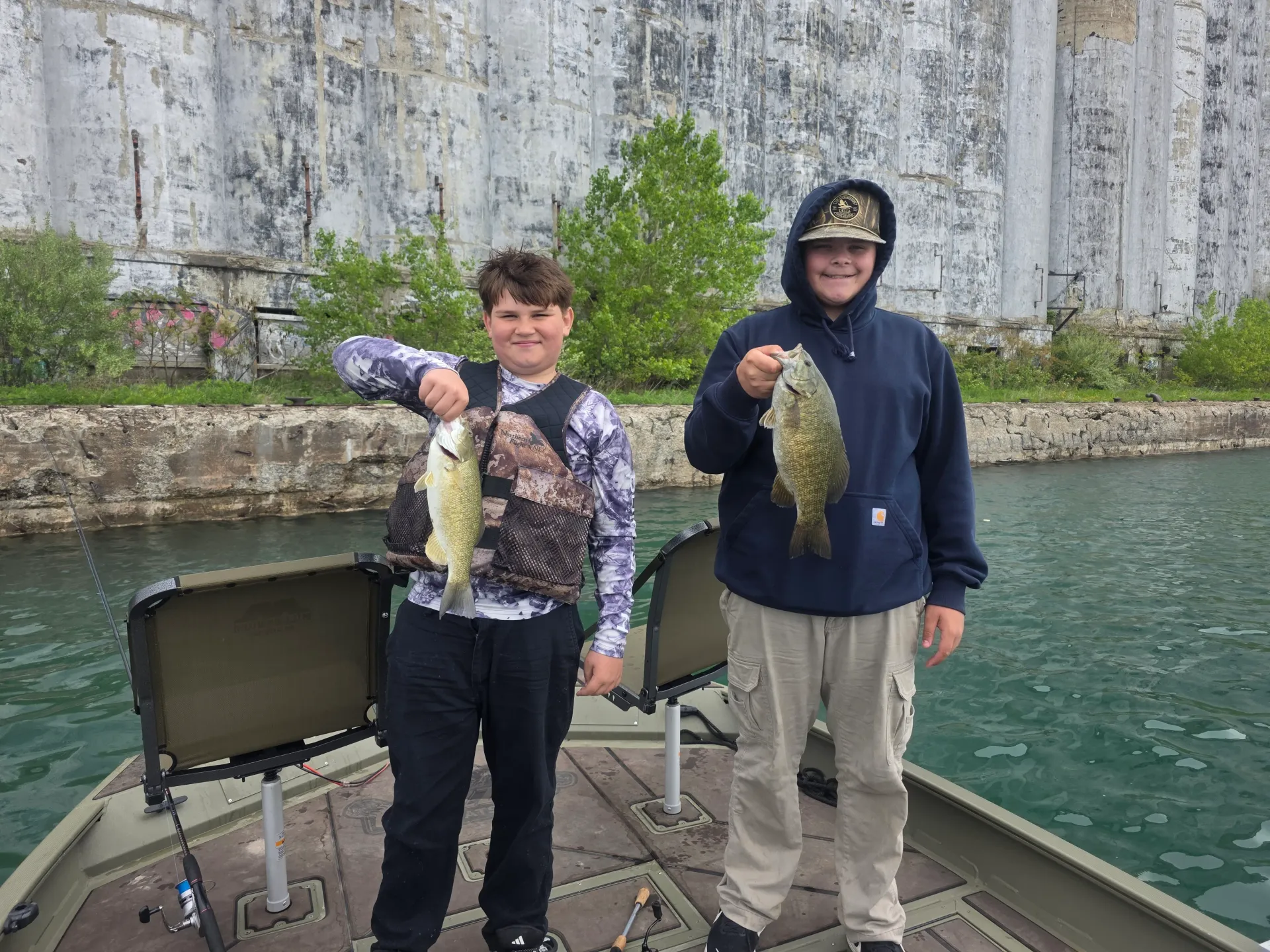
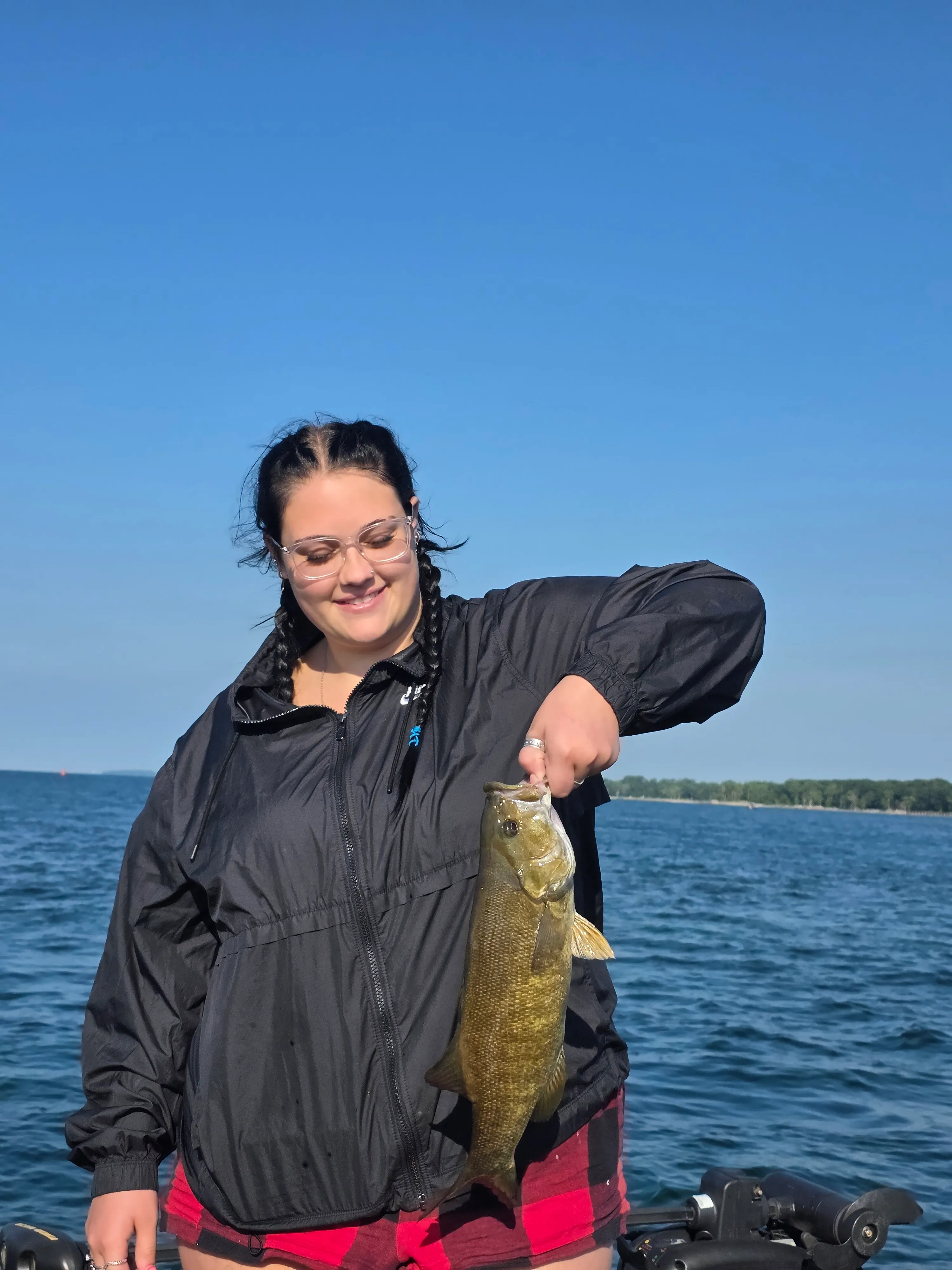
Smallmouth bass remain one of the strongest targets in Buffalo waters. They are actively feeding on baitfish and holding around rocky reefs, shoals, deeper structure, and harbor walls.
Current pattern:
- Deeper structural humps
- Rocky reefs
- Shoals
- Harbor walls
- Areas with concentrated baitfish
Live shiners, tube jigs, and drop-shot presentations are producing around these areas.
Largemouth Bass
Largemouth bass are holding in more protected water than smallmouth bass. Inner harbor areas, boat slips, vegetation, and slower river channels are providing cover and feeding opportunities.
Best areas to check:
- Dense weed beds
- Protected harbor sections
- Boat slips
- Slower river channels
Soft plastic craws, swimbaits, and spinnerbaits can be worked around vegetation and structure.
Yellow Perch
Yellow perch are beginning to form tighter schools around sandy flats and deeper weed lines. These areas provide access to baitfish and cover as water temperatures begin to decline. Anglers looking for perch should pay attention to sonar marks around deeper vegetation and flats rather than staying only in shallow water.
Lake Erie White Bass
Lake Erie white bass are present around harbor gaps and gravel bars, where they are actively feeding on small baitfish. Their schooling behavior can create fast action when anglers locate a concentrated group. Light tackle, small jigs, and baitfish-style presentations can work well when white bass are actively feeding.
Trout
Lake-run brown trout and steelhead are beginning to become more active as water temperatures fall. Some fish are staging along deeper structural drops, while others are beginning to move toward lower river systems. The seasonal shift means trout activity should increase as cooler water and higher flows encourage more fish to move toward tributaries.
Salmon
King, or Chinook, salmon are becoming a major focus for anglers as the fall migration begins. Mature fish weighing 15 to 25 pounds or more are being caught near river mouths and deeper structure. Early-season salmon are often found staging before making their full movement into the river, making deeper current edges and river-mouth areas important places to monitor.
Northern Pike
Northern pike are holding around deeper weed lines and drop-offs in protected harbor and canal areas. They use vegetation and structure as ambush points, particularly where baitfish are present. Heavy inline spinners, spinnerbaits, and larger baitfish-style lures are useful choices.
Catfish and Other Species
Channel catfish and freshwater drum, commonly called sheepshead, remain active along muddy bottoms and slower sections. Common carp are also being caught around protected slips and slow-moving water. These species provide additional opportunities for anglers fishing the Buffalo River, harbor areas, and canal system.
Where Are Anglers Catching Fish Around Buffalo?
Buffalo offers several connected fishing environments, and current fish locations vary based on depth, structure, water temperature, current, and baitfish activity.
Lake Erie Near Buffalo
Lake Erie remains a major part of the local fishery, with current activity concentrated around reefs, shoals, drop-offs, and deeper water outside the harbor.
Current areas to check:
- Seneca Shoal
- Myers Reef
- Deep drop-offs outside the main breakwalls
- Structure in approximately 35 to 60 feet
Smallmouth bass are using rocky structure, while walleye are moving through deeper transitions. Boat anglers should monitor wind conditions closely because changing winds can quickly affect the eastern basin.
Buffalo Harbor
Buffalo Harbor provides a mix of protected and open-water fishing. The inner harbor contains vegetation, slips, and slower water that attract largemouth bass and northern pike. The outer breakwall provides access to deeper water and attracts smallmouth bass, white bass, and walleye when baitfish move through the area.
Focus on:
- Inner harbor weed beds
- Boat slips
- Outer breakwalls
- Harbor gaps
- Drop-offs near structure
Niagara River
The Upper Niagara River is producing strong smallmouth bass action from the river mouth toward Grand Island. Gravel areas, current breaks, and underwater structure are important holding locations. The Lower Niagara River is beginning to show more staging salmon and trout as the fall migration develops. Walleye are also using deeper current areas and eddies.
Look for fish around:
- Gravel bottoms
- Deep channel edges
- Large underwater boulders
- Bridge structures
- River eddies
- Slower water behind current breaks
Buffalo River
The lower navigable sections of the Buffalo River are holding resident walleye, largemouth bass, and channel catfish. Shipping channels and structural pilings create deeper holding areas where fish can find food and current breaks. Bottom presentations are useful for catfish, while jigs, soft plastics, and baitfish-style lures can target walleye and bass around structure.
Erie Canal
The Erie Canal near Tonawanda and its lock structures are producing largemouth bass, panfish, and northern pike. Vegetation, lock structures, walls, and changes in water movement create productive areas. Anglers should focus on the edges of weeds and areas where current or depth changes give fish an opportunity to ambush baitfish.
Nearby Tributaries and Inland Waters
Eighteenmile Creek and Smokes Creek are currently running relatively low, but cool nights are beginning to attract early-season trout near their mouths. Clear, low water requires a quieter approach. Fish can become more cautious when they have greater visibility, so lighter presentations and careful positioning can be more effective than aggressive tactics.
What Are Fish Biting on Around Buffalo?What Are Fish Biting on Around Buffalo?
Current bait and lure choices are closely tied to the abundant baitfish and the changing water temperatures. Matching the presentation to the target species and depth can make a noticeable difference.
Live Bait
Emerald shiners are a strong choice for yellow perch and smallmouth bass because they match the baitfish currently attracting predators. Live crayfish are also producing for larger smallmouth bass in stronger river currents. For walleye, nightcrawlers on worm harnesses remain a reliable deep-water presentation.
Jigs
Blade baits and 1/2 to 1-ounce hair jigs are effective for vertical walleye presentations. Tube jigs in dark green pumpkin or watermelon shades are working well for bass around rocky structure. Jigs are particularly useful when fish are concentrated beneath the boat or around a defined piece of structure.
Crankbaits
Deep-diving holographic stickbaits are producing walleye strikes around deeper lake structure. Around harbor rocks, erratic square-bill crankbaits can trigger active bass. Choose diving depth based on where fish are actually holding rather than simply casting the same lure throughout the water column.
Spinners
Heavy inline spinners with silver or gold blades are useful for northern pike around deeper weed lines. High-visibility or glowing inline spinners can also attract staging salmon around pier heads during early morning periods.
Soft Plastics
Drop-shot worms, fluke-style minnows, and Ned rigs are effective around deeper structure and can be slowed down when fish are less aggressive. For smallmouth bass, smaller green pumpkin tubes and drop-shot minnows closely match the type of forage these fish are currently chasing.
Buffalo Lake Erie Fishing Report
Lake Erie near Buffalo is moving through a seasonal transition. Water remains relatively clear in the eastern basin, while the late-summer thermocline is still affecting fish location. Southwest winds can quickly change lake conditions, especially near shallow areas and the harbor.
Where to Find Fish in Lake Erie
- Walleye: 55 to 75 feet around deep mud flats, drop-offs, and mud-to-rock transitions.
- Smallmouth bass: 25 to 40 feet near rocky shoals and underwater reefs.
- Yellow perch: 45 to 55 feet over sandy flats and deep weed lines.
- Lake trout: Deeper structural areas and temperature changes.
The deeper water outside the Buffalo Harbor breakwall can provide access to several productive structures.
Productive Lake Erie Presentations
Trolling with downriggers or lead-core line works well for walleye and lake trout in deeper water. For smallmouth bass, vertical drop-shot fishing can be effective when sonar shows fish around reefs or drop-offs.
Buffalo Niagara River Fishing Report
The Niagara River offers two distinct fishing environments. The Upper River is faster and shallower with clear water and rocky structure, while the Lower River has deeper channels, strong current, and large eddies.
Upper Niagara River
The Upper River is productive for smallmouth bass and can also hold musky around:
- Gravel areas
- Underwater boulders
- Current seams
- Deeper edges beside fast water
Lower Niagara River
The Lower River becomes increasingly important as Chinook salmon, steelhead, brown trout, and walleye stage in deeper water and current breaks. Look around deep channel edges, major eddies, underwater structure, and slower water behind bridge pilings.
Current and Water Clarity
Current is normal to high, with relatively high clarity. In clear water, an 8 to 12 pound fluorocarbon leader can help keep the presentation less visible.
Effective Niagara River Presentations
Three-way rigs with live shiners or crayfish work well for bottom fishing in current. Heavy spoons and centerpin setups are useful for salmon and trout in the lower gorge.
Buffalo Harbor and Erie Canal Fishing Report
Buffalo Harbor offers more protected water, slightly warmer conditions, and weed beds that attract bass, pike, perch, and other species. The Erie Canal also holds fish around locks, retaining walls, and areas with changes in depth and current.
What Is Holding in the Harbor?
Common catches include:
- Largemouth bass
- Smallmouth bass
- Northern pike
- Black crappie
- Yellow perch
- Channel catfish
Buffalo Fishing Conditions by Season
Fishing around Buffalo changes throughout the year as water temperature, baitfish movement, and spawning activity affect where different species hold. Each season calls for changes in depth, location, and fishing technique.
Spring: Shallow Water and Spawning Activity
Spring brings warming water and increased fish movement toward shallow areas. As conditions improve, several species move closer to rocky structure, harbor bays, and river areas.
- Yellow perch: Move into shallow harbor bays as nearshore water warms, making protected areas productive early-season locations.
- Smallmouth bass: Pre-spawn fish gather around shallow rocky shoals, while walleye can be found around shallow reefs and in the Upper Niagara River after spawning.
- Fishing approach: Focus on warming shallows, rocky structure, and areas close to deeper water where fish can move as temperatures change.
Summer: Deeper Water
Warm summer water pushes many Lake Erie gamefish toward deeper, cooler areas. Harbor species continue using vegetation and protected cover where baitfish are available.
- Walleye: Move toward deep mud flats in the eastern Lake Erie basin, while smallmouth bass hold around deeper reefs and stronger river currents.
- Largemouth bass and northern pike: Remain active around harbor weeds, drop-offs, and other areas with cover.
- Fishing approach: Use deeper presentations for lake species, while targeting weed lines and protected structure for bass and pike.
Fall: Trophy Fishing Season
Cooling water changes fish movement and makes fall one of the most productive periods for several Buffalo species. Baitfish activity and seasonal migrations bring more fish toward nearshore and river areas.
- Walleye and smallmouth bass: Larger fish move closer to nearshore structure as water temperatures fall and feeding activity increases.
- Salmon and trout: Chinook salmon, brown trout, and steelhead become increasingly active in the Niagara River and nearby tributaries.
- Fishing approach: Watch water temperature and baitfish movement closely, as fish can shift locations quickly during the fall transition.
Winter: Cold-Water and Ice Fishing
Winter limits access to some waters but still provides opportunities in open river areas and waterways that develop safe ice. Species and locations become more concentrated as water temperatures drop.
- Steelhead and lake trout: The Lower Niagara River can provide open-water fishing opportunities through winter.
- Yellow perch and northern pike: Buffalo Harbor and suitable inland waterways can offer ice fishing once safe ice forms.
- Fishing approach: Use cold-water presentations in open rivers and check local ice conditions carefully before fishing frozen waterways.
Best Fishing Techniques for Buffalo Waters
The best technique depends on the target species, water depth, structure, and current. These methods cover the main fishing situations around Buffalo:
- Trolling: Effective for walleye, salmon, and trout in deeper Lake Erie water. Use downriggers, lead-core line, Dipsy Divers, stickbaits, or flasher and fly combinations to reach specific depths.
- Jigging: Works well around deep reefs, harbor walls, and other defined structures. Blade baits, hair jigs, and paddle-tail plastics can target walleye, bass, and lake trout.
- Casting: A good choice around harbor breakwalls, canal locks, and shorelines. Use square-bill crankbaits for bass, spinnerbaits for pike, and glowing inline spinners around pier heads during low-light periods.
- Bottom Fishing: Useful for channel catfish, carp, and walleye in the Buffalo River and Erie Canal. Slip-sinker or egg-weight rigs can be paired with nightcrawlers, cut bait, or prepared dough.
- Drift Fishing: Effective in the Niagara River, where three-way rigs with crayfish, shiners, or egg sacs keep bait near the bottom as it moves with the current.
- Shore Fishing: Buffalo Harbor pier heads, Niawanda Park, river access platforms, and Outer Harbor public areas provide access to bass, panfish, trout, and salmon. Longer rods, heavier spoons, jigs, and live bait can help reach deeper water and handle current.
Why Choose RNK Outdoors for Buffalo Fishing?
At RNK Outdoors, we provide guided Lake Erie fishing charters throughout Buffalo and Western New York. Captain Ryan Garra is a USCG licensed guide with more than 20 years of local experience. Our trips focus on species such as walleye, smallmouth bass, yellow perch, and catfish, with techniques selected according to the season and fishing conditions.
We use our local knowledge of Lake Erie and surrounding waters to help anglers spend productive time on the water. Our guided trips are family-friendly and can provide hands-on experience with techniques such as bottom bouncing and trolling. Depending on the season, we offer fishing trips targeting Lake Erie walleye, smallmouth bass, perch, and other regional species.
Conclusion
A current Buffalo Fishing Report can help anglers make better decisions about location, depth, bait, and technique before heading out. Lake Erie, the Niagara River, Buffalo Harbor, the Buffalo River, and the Erie Canal each offer different fishing opportunities throughout the year. Walleye, smallmouth bass, yellow perch, salmon, trout, pike, and other species respond to changes in water temperature, baitfish movement, structure, and current. Checking weather, water conditions, access, and fishing regulations can also make your time on the water more productive. For anglers who want local knowledge and guided fishing experience, RNK Outdoors offers Lake Erie fishing charters throughout Western New York. Book your Buffalo fishing trip with RNK Outdoors and get on the water with a local guide who knows the area.
FAQs
1. What fish are biting around Buffalo right now?
Walleye, smallmouth bass, yellow perch, white bass, salmon, and trout are among the key species anglers can target around Buffalo.
2. Where is the best fishing near Buffalo?
Lake Erie structures, Buffalo Harbor, the Niagara River, Buffalo River, and Erie Canal sections can all provide productive fishing.
3. What bait works best for Buffalo fishing?
Emerald shiners work well for perch and smallmouth bass, while nightcrawlers and worm harnesses can target walleye.
4. What depth should I fish in Lake Erie?
Walleye may hold around 55 to 75 feet, while smallmouth bass can be productive around 25 to 40 feet.
5. Is Buffalo Harbor good for fishing?
Yes. Weed beds, boat slips, harbor walls, and other structures can hold bass, pike, perch, crappie, and catfish.
6. Can I fish the Niagara River for salmon?
Yes. The Niagara River becomes an important salmon and trout fishing area during seasonal runs, particularly around deeper channels and current breaks.
7. What is the Buffalo Drift fishing technique?
Buffalo Drift uses a three-way rig that keeps a sinker near the river bottom while a longer leader presents bait above the rocks.
8. Is shore fishing available around Buffalo?
Yes. Buffalo Harbor, Niawanda Park, river access platforms, and Outer Harbor areas provide opportunities for bass, panfish, trout, and salmon.
9. Do I need a fishing license to fish in Buffalo?
Anglers age 16 and older generally need a New York State freshwater fishing license. Additional rules may apply in specific waters.
10. When is the best time to fish around Buffalo?
Spring favors shallow-water fishing, summer often pushes fish deeper, fall brings strong salmon and walleye activity, and winter offers river and ice fishing opportunities.