%2Ffit-in%2F250x250%2Fguide_websites%2F183697%2Fimages%2F1787641942006logo.jpeg&w=1920&q=100)
%2F%2Fusers%2Fd0c179fc-699a-4ce2-b58c-d2377de68af5%2Fratecard%2F772897515_122118315807335662_2049423189777210952_n-mt8b1b3j.jpg&w=1920&q=75)
Private Waterfowl Hunt in Buffalo & Grand Island
Get ready for some serious duck action with Ryan Garra on this top-rated private waterfowl hunt. You'll spend four hours targeting prime puddle ducks along some of the most productive flyways in the Buffalo and Grand Island area. This isn't your typical public marsh scramble – we're talking carefully scouted shore setups where the birds actually want to be. With space for up to four hunters in your group (and room for a fifth if needed), you'll have plenty of room to work without bumping elbows with strangers.
Inside the Hunt
Morning hunts start early when the ducks are moving, and the action typically picks up as legal shooting light breaks. You'll be working from well-concealed blinds and strategic shore positions that put you right in the flight path of incoming birds. The beauty of this setup is flexibility – if one spot isn't producing, Ryan knows the area well enough to make quick adjustments based on wind, weather, and bird behavior. Meeting locations can shift depending on conditions, so make sure to touch base with your guide the night before to confirm where you're heading out.
Tracking Tips & Terrain
Success on this hunt comes down to three key elements: decoy placement, calling technique, and reading the birds. Ryan's got the decoy spreads dialed in for each location, using proven patterns that pull ducks from passing flights and convince them to commit. You'll learn how different species respond to various call sequences – mallards love aggressive hail calls when they're high, while wigeon and redheads often respond better to subtle feeding chuckles. The terrain varies from protected backwaters to open flats, giving you shots at birds working decoys from multiple angles. Concealment is critical, so wear your best camo and keep movement to a minimum once birds are working. The guide will coach you on when to take safety off and when to stay ready – timing your shots when multiple birds are in range makes all the difference for a successful group hunt.
Target Game Breakdown
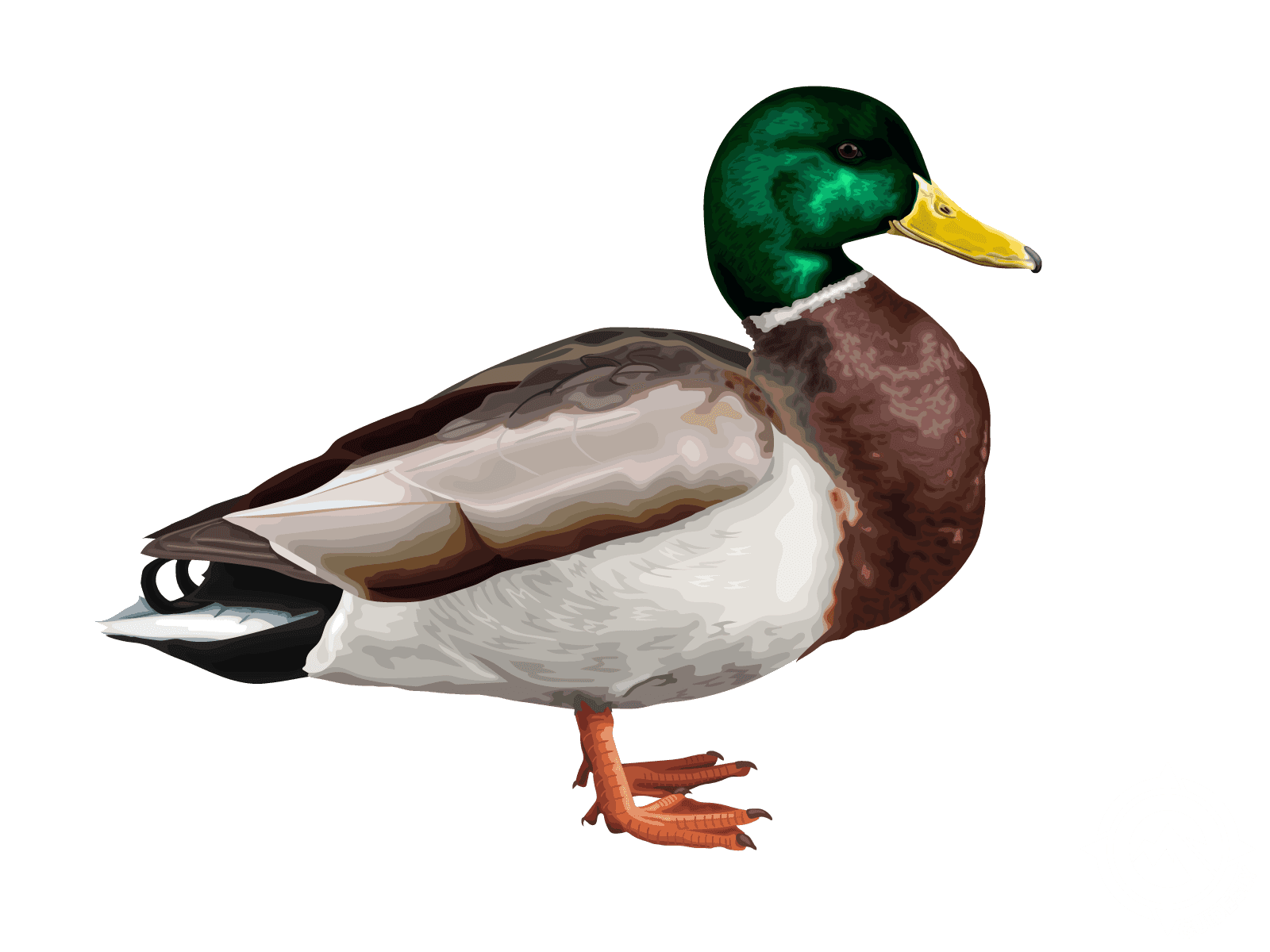
Mallards are the bread and butter of this hunt, and for good reason. These big ducks are active throughout the morning hours and respond well to aggressive calling when they're cruising the flyways. Drake mallards can hit three pounds, and they're known for their tendency to circle back for second and third looks at a good decoy spread. Peak action typically happens during the first two hours of legal light, especially on overcast mornings when birds stay active longer. What hunters love most about mallards is their predictable behavior – they telegraph their intentions, giving you time to get ready for the shot.
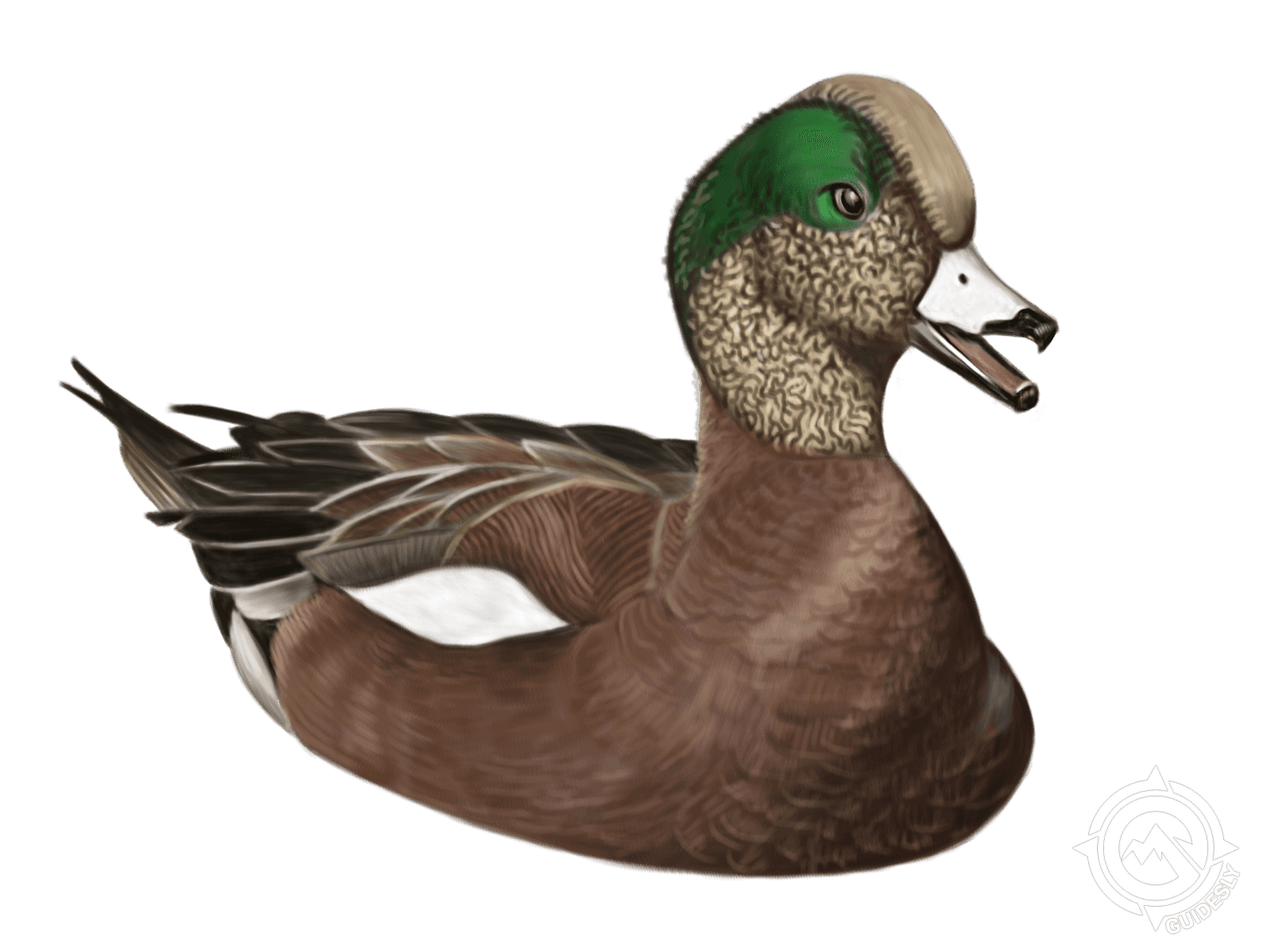
American Wigeon bring a different dynamic to the hunt with their distinctive whistling calls and rapid wingbeats. These medium-sized ducks often travel in tight flocks and have a habit of dropping into decoy spreads without much circling. They're particularly active during late October through November in this region, and they love shallow feeding areas near emergent vegetation. Wigeon can be tricky to call effectively, but when they commit to your setup, they usually bring the whole flock with them. Hunters appreciate their cooperative nature and the fast-paced shooting they often provide.
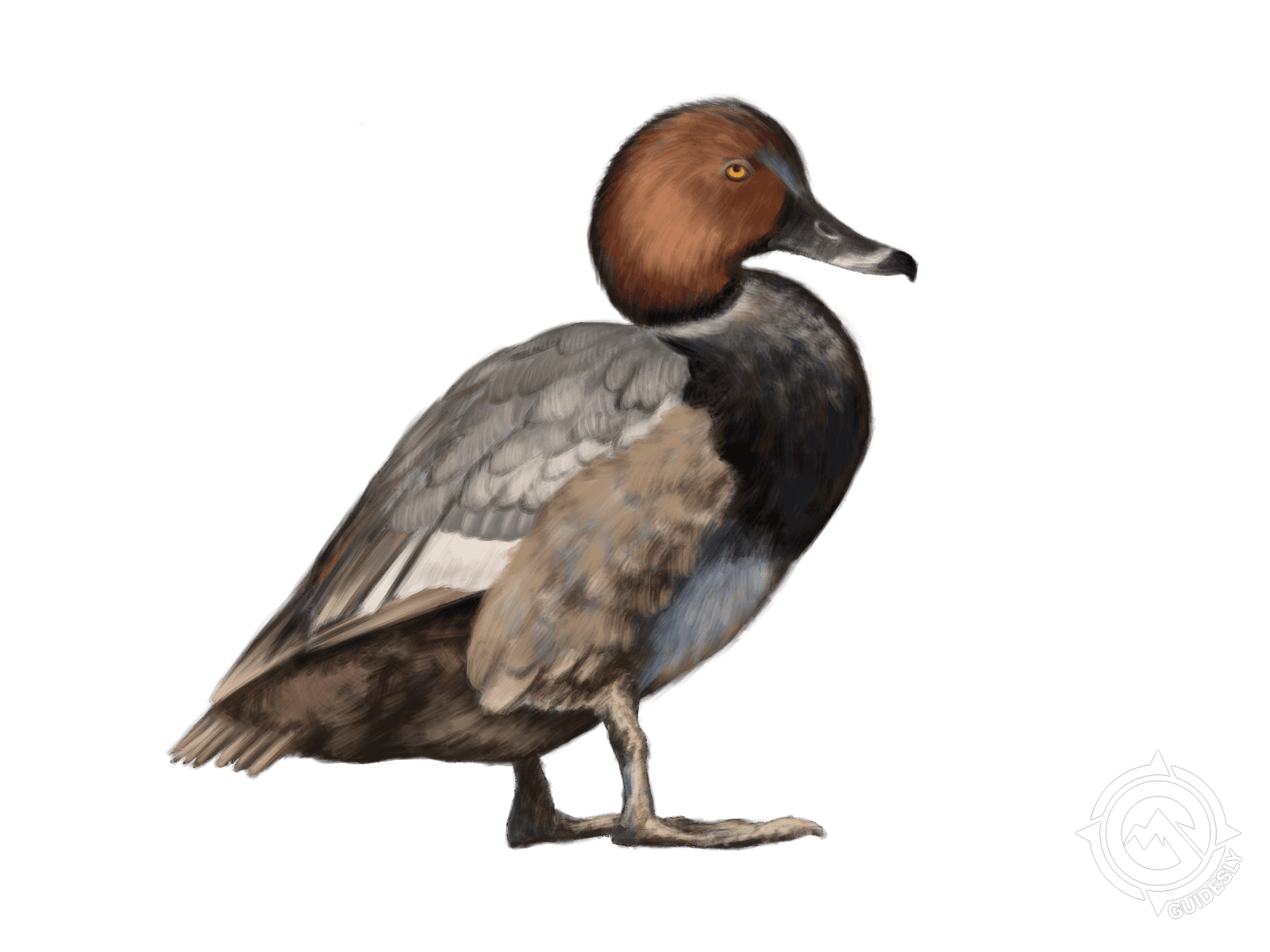
Redheads are the prize birds of this hunt – these diving ducks are less common than puddle ducks but absolutely worth the wait. They typically move in smaller groups and can be more selective about decoy spreads, often requiring specialized diver decoys mixed into the setup. Redheads are most active during peak migration periods and prefer slightly deeper water than mallards and wigeon. When they do commit, they often come in fast and low, providing some of the most exciting shooting of the day. Veteran hunters consider redheads a challenging and rewarding species that tests your shooting skills.
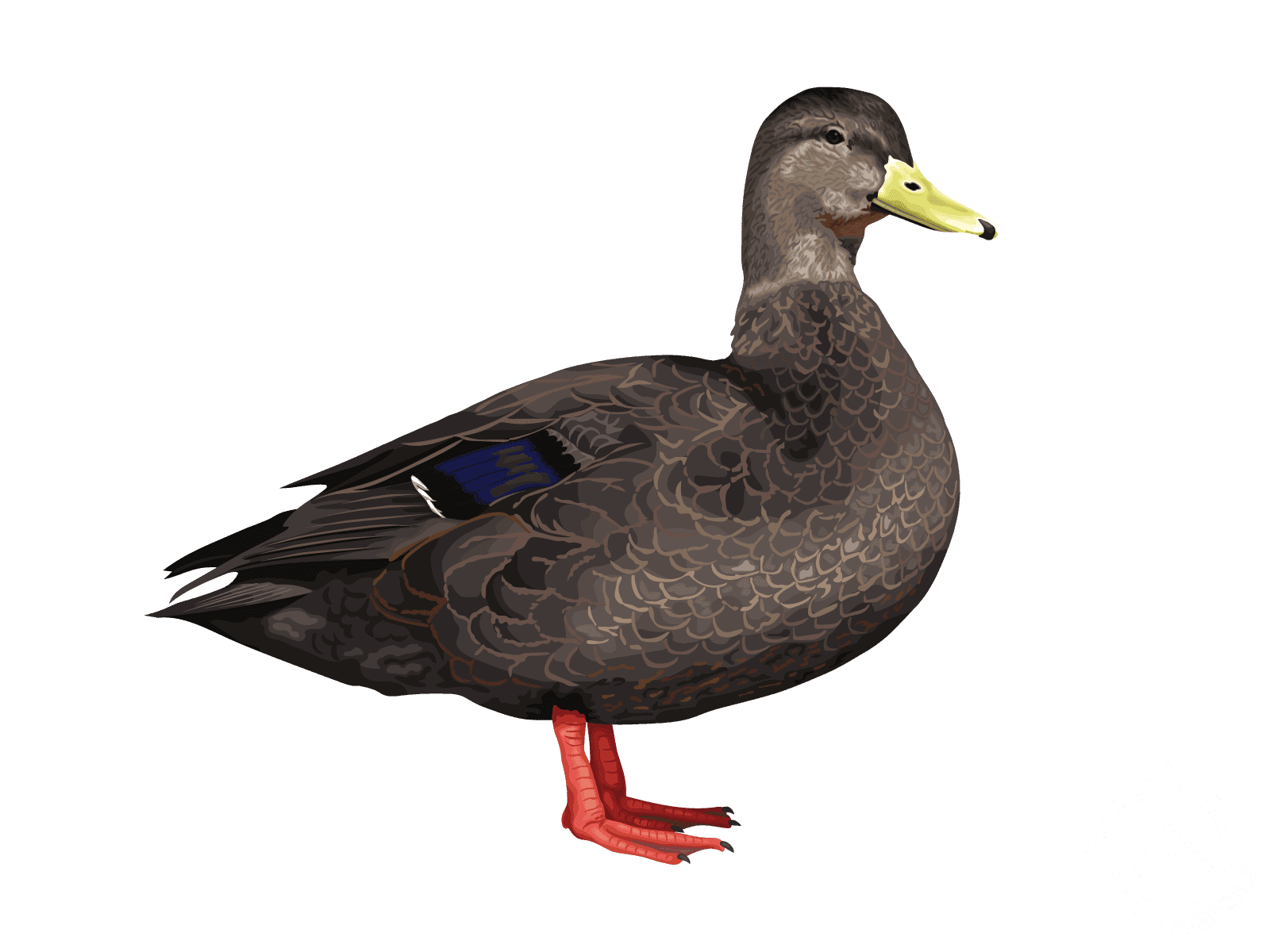
Black ducks round out the target species list and represent some of the wariest waterfowl you'll encounter. These birds are incredibly cautious and often require perfect concealment and minimal calling to bring into range. They're more common during early season and tend to prefer secluded areas with natural cover. Black ducks often approach decoys with several passes, testing the setup before committing. When you do connect on a black duck, you've accomplished something special – these birds have earned their reputation as one of the most challenging waterfowl species to hunt consistently.
Book Your Next Tag
This private waterfowl hunt delivers everything serious duck hunters are looking for – prime locations, knowledgeable guiding, and consistent action on multiple species. Ryan's local expertise gives you a huge advantage over public hunting areas. The small group size means personalized attention and better shooting opportunities for everyone involved. Whether you're looking to fill your limit or introduce new hunters to the sport, this hunt provides the perfect combination of action and education. Don't wait until peak season books up – secure your dates now and get ready for some world-class waterfowl hunting in prime New York habitat.
Learn more about the animals
American Wigeon
Wigeon are medium-sized puddle ducks, around 1.5-2 pounds, with drakes showing that white crown stripe that earned them the nickname "baldpate." They're grazers by nature, preferring shallow marshes and flooded fields where they can feed on grasses and sedges. We see good numbers during October and November migration, especially when weather patterns concentrate birds along our flyway. Hunters love targeting wigeon because they're fast fliers that provide challenging shots, and they're known for their sweet, mild flavor on the table. These birds have a distinctive three-note whistle that's pretty easy to mimic once you get the hang of it. The trick with wigeon is they often follow other ducks in - so when you see mallards or other species working your spread, stay ready because wigeon might be trailing behind.
Black Duck
Black ducks are the ghosts of the marsh - similar size to mallards but much warier. These dark, chocolate-brown birds prefer quiet backwaters, beaver ponds, and secluded creek bends where there's minimal pressure. They're most active during our early season in October and again during late migration pushes. Black ducks have a reputation for being extremely cautious, which makes bagging one a real accomplishment for any waterfowler. Their meat is top-notch, similar to mallards but often considered even better by serious duck hunters. The secret with blacks is calling very sparingly - maybe just a few soft quacks to get their attention. They spook easily from over-calling or poor concealment. I always tell hunters to stay extra still and let these birds work on their own terms.
Mallard
Mallards are your classic puddle duck - about 2-3 pounds with that unmistakable green head on the drakes. They're everywhere around here, from shallow marshes to deeper pockets along the Niagara River. These birds love areas with good emergent cover where they can tip up and feed on aquatic vegetation. Peak action runs October through November when migration really kicks in, especially after a cold front pushes birds south. What makes mallards so popular is their willingness to decoy and respond to calling - plus they're excellent table fare. The key trick I share with hunters is to mix your calling cadence. Start aggressive when they're distant, then go quiet as they work in close. Too much chatter will flare them right off your spread.
Redhead
Redheads are diving ducks that run about 2-2.5 pounds, and the males sport that distinctive rust-colored head. Unlike puddle ducks, these birds prefer deeper water - usually 4-12 feet where they can dive for aquatic plants and invertebrates. Around Buffalo, we find them staging on the bigger bays and river channels during their November push through the area. They're a real prize for hunters because they're not as common as mallards, and they make excellent eating with their varied diet. Redheads can be tricky to work - they're naturally wary and don't always commit easy. My go-to strategy is setting decoys in deeper water with a good landing zone, and keeping perfectly still once they start their approach. Movement will send them packing fast.
About the Grizzly 2072 CC
%2F%2Fusers%2Fd0c179fc-699a-4ce2-b58c-d2377de68af5%2Fvehicle_picture%2Fboat-mt8agld5.jpg&w=1920&q=75)
Vehicle Guest Capacity: 5
Manufacturer Name: Mercury
Maximum Cruising Speed: 25
Number of Engines: 1
Horsepower per Engine: 115
The 2026 Grizzly 2072CC serves as your floating blind for this waterfowl hunt across Buffalo and Grand Island waters. This aluminum center console handles the choppy conditions of Lake Erie and the Niagara River with confidence, getting you positioned where the ducks are moving. The Mercury 115 outboard provides reliable power to reach prime hunting spots quickly and quietly. Built tough for serious hunters, the spacious deck gives you and up to 3 other hunters room to set up gear and take clean shots when birds work the decoys. Whether you're targeting mallards in protected coves or setting up on redheads diving the deeper water, this boat puts you right in the action. The stable platform keeps you steady when fast-flying wigeon buzz the spread, and the shallow draft lets you access those back-channel spots where black ducks like to feed.