%2Ffit-in%2F250x250%2Fguide_websites%2F183697%2Fimages%2F1787641942006logo.jpeg&w=1920&q=100)
%2F%2Fusers%2Fd0c179fc-699a-4ce2-b58c-d2377de68af5%2Fratecard%2Fscreenshot_25-8-2026_17124_app.air.inc-mt96cwby.jpeg&w=1920&q=75)
SHARED DUCK HUNT - Buffalo & Grand Island
Get ready to hit some of the best waterfowl hunting grounds in the region with Ryan Garra, a guide who knows exactly where to set up when the birds are moving. This shared duck hunt brings together up to 5 hunters for an action-packed 4-hour morning session targeting mallards, wigeon, redheads, black ducks, and other puddle ducks along prime flyways. At $375 per hunter, you're getting access to private land blinds and shore setups that most hunters never see, plus the kind of local knowledge that puts birds in the bag when others are coming up empty.
Inside the Hunt
This isn't your typical public marsh scramble. Ryan operates exclusively on private land, which means you're hunting pressured birds in spots where they actually want to be. The 4-hour morning window hits that sweet spot when ducks are moving from roost to feed, and with strategically placed blinds along key flyways, you'll be right in their path. The group dynamic works well here - with up to 5 hunters sharing the experience, there's enough firepower to handle multiple birds working the decoys, but not so many guns that you're tripping over each other. If your group needs a 6th spot, Ryan can usually make it work, though you'll want to ask when booking since space depends on the specific blind setup for that day. Weather and bird movement dictate the exact meeting location, so expect a call the night before or morning of your hunt to nail down the final departure point.
Tracking Tips & Terrain
Success on this hunt comes down to three things: decoy placement, calling, and patience. Ryan's got the first two dialed in, using realistic spread patterns that match what ducks expect to see in these waters. The terrain here ranges from cattail-lined potholes to open water setups, and the guide adjusts tactics based on conditions and bird behavior. You'll be shooting from established blinds that offer good concealment and clear shooting lanes, with most shots coming in that 20-40 yard sweet spot where your shotgun patterns tight and clean. The key is staying still and letting Ryan work his calls - these birds have seen it all, and movement or poor calling will flare them faster than you can shoulde your gun. Bring your favorite waterfowl loads in 12 or 20 gauge, and don't forget extra shells. When the flight is on, you'll go through more ammo than you think.
Target Game Breakdown
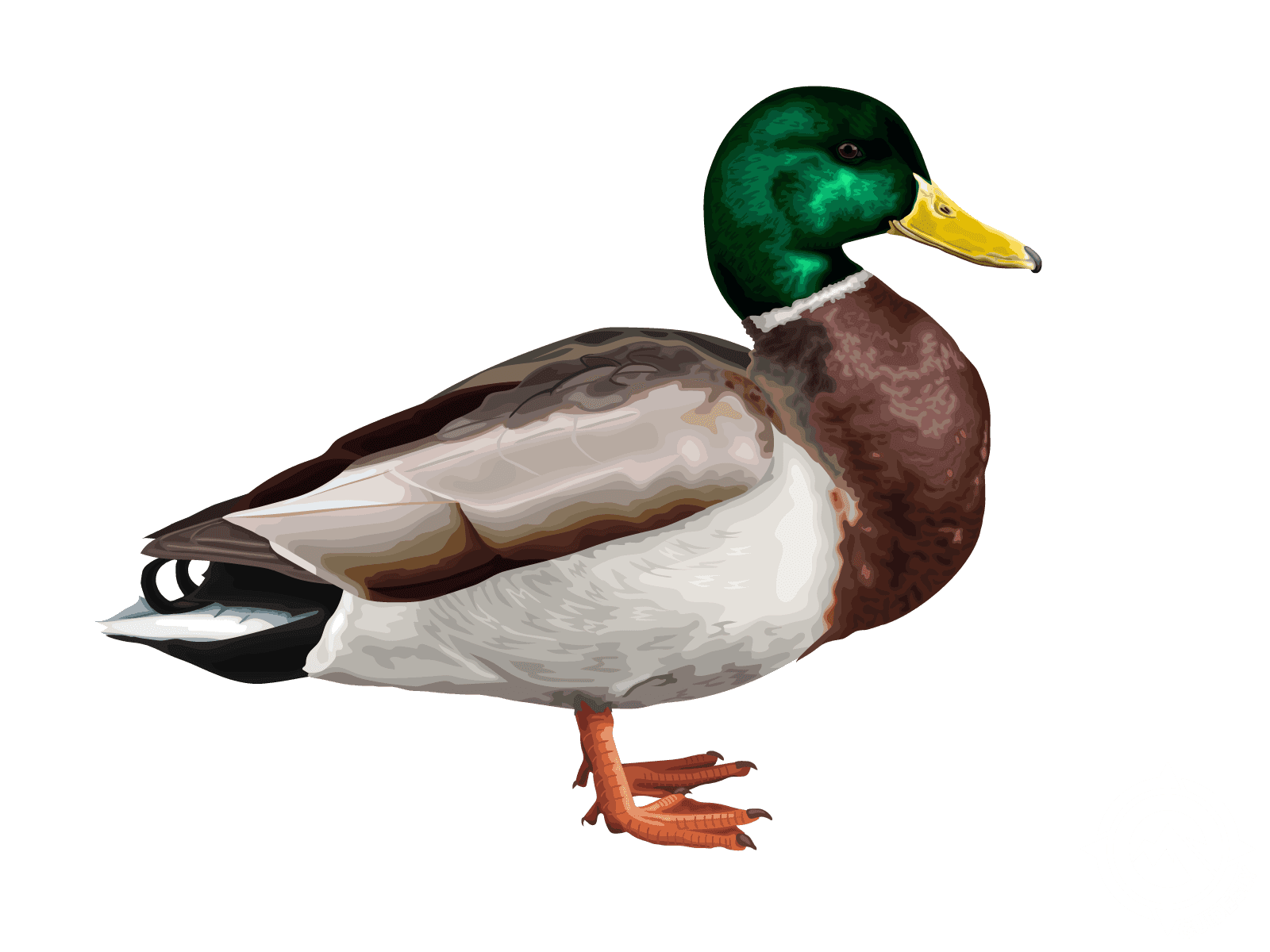
Mallards are the bread and butter of this hunt, and for good reason. These big green-heads are smart, wary, and absolutely delicious on the table. Buffalo and Grand Island sit right in the heart of mallard migration routes, with birds moving through from late October into December. The drakes are stunning this time of year, with full breeding plumage that makes for great photos and better eating. Mallards respond well to calling but can turn on a dime if something looks off, making Ryan's setup and calling skills crucial to consistent success.
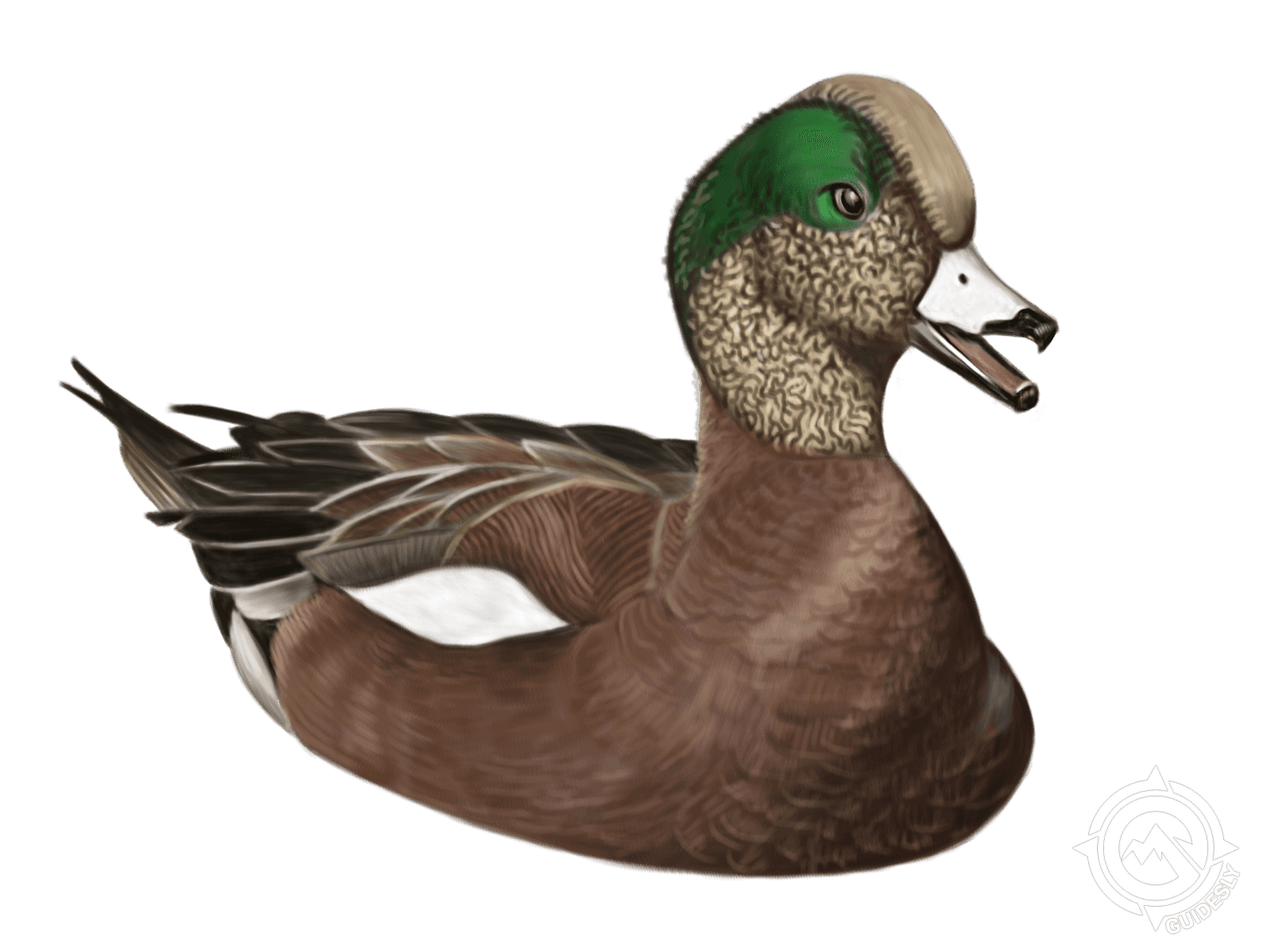
American Wigeon bring a different energy to the hunt. These gray and rust-colored ducks are fast fliers that often surprise hunters with their speed and agility. They're vocal birds with a distinctive whistle that experienced hunters love to hear, and they tend to move in tight flocks that can provide multiple bird opportunities. Wigeon are excellent table fare with a mild, clean taste that even non-duck hunters appreciate. They're most active during morning flights and often mix with mallard groups, creating exciting shooting scenarios.
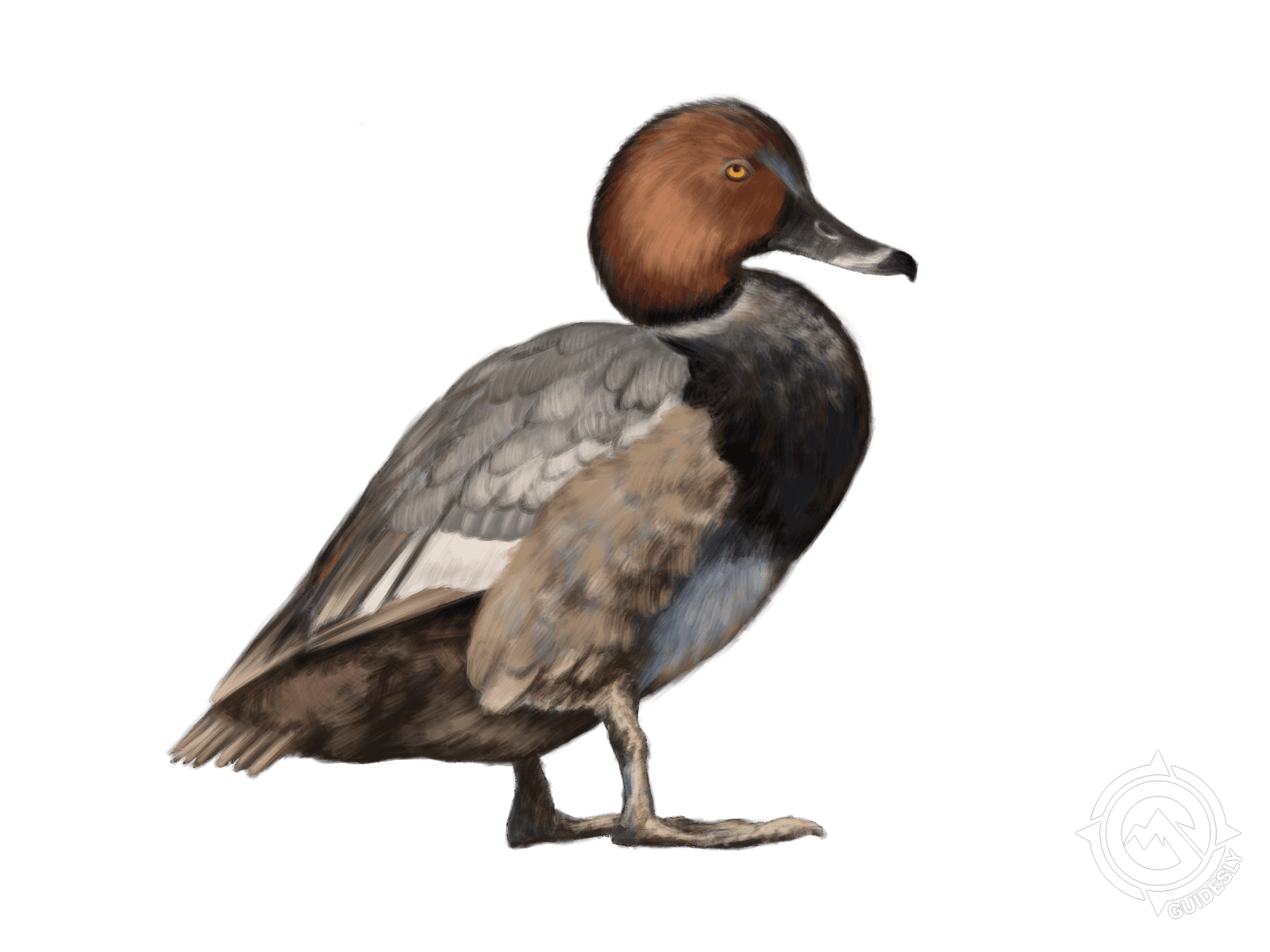
Redheads are the prize species many hunters hope for but don't always see. These diving ducks are absolutely beautiful, with the males sporting that classic rust-red head and black chest that photographs so well. They're pickier about where they land and often require more patience than puddle ducks, but when a group of redheads commits to your spread, it's one of the most satisfying moments in waterfowl hunting. Their meat is darker and richer than mallards, perfect for hunters who appreciate that classic wild game flavor.
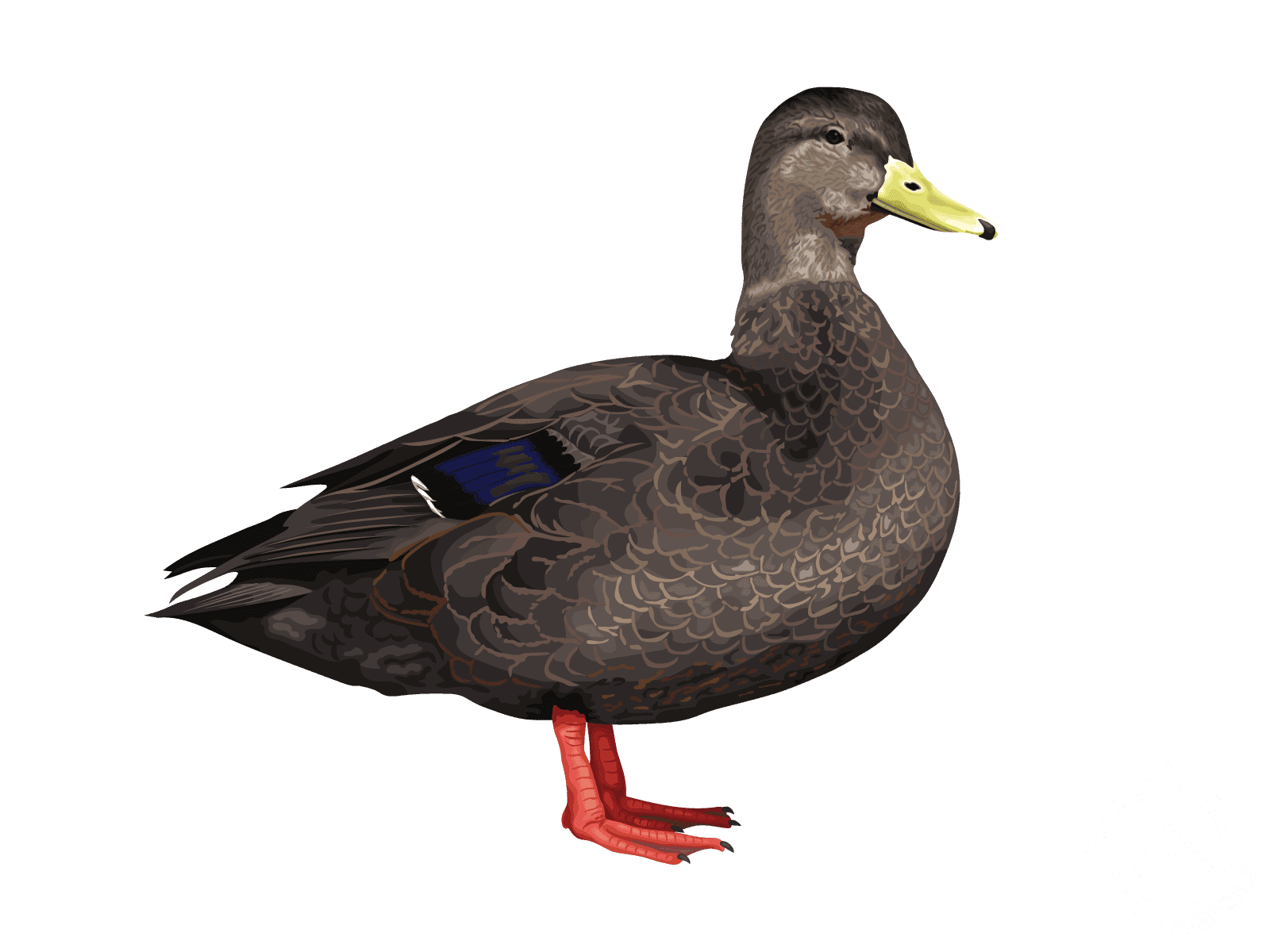
Black Ducks round out the target species list and represent old-school waterfowling at its finest. These birds are the wariest of the bunch, with survival instincts honed by generations of hunting pressure. A mature black duck that works your decoys and comes in clean is a trophy worth celebrating. They look similar to female mallards but are typically darker overall with different bill coloration. Black ducks prefer the same habitat as mallards but are much less forgiving of mistakes in setup or calling, making them a true test of hunting skills.
Book Your Next Tag
At $375 per hunter for 4 hours of guided hunting on prime private land, this shared duck hunt delivers serious value for waterfowl enthusiasts. Ryan's local expertise, quality blind locations, and focus on productive morning flights give you the best shot at filling your bag with a variety of species. The shared format keeps costs reasonable while maintaining the quality experience you want from a guided hunt. With bird movements and weather determining the exact meeting location, you know you're hunting with a guide who adapts to conditions rather than sticking to the same spots regardless of what the ducks are doing. Spots fill up quickly during peak migration periods, so don't wait too long to secure your dates. Whether you're a seasoned waterfowler looking for new water or someone wanting to step up their duck hunting game, this hunt puts you exactly where you need to be when the birds are flying.
Learn more about the animals
American Wigeon
American wigeon are medium-sized ducks that bring their own personality to our Buffalo hunts. Males are easy to spot with that white crown stripe earning them the nickname "baldpate," while both sexes show distinctive white wing patches in flight. They're grazers by nature, preferring shallow waters and adjacent fields where they can feed on vegetation. Peak hunting runs from early October through November when migration really kicks in. What hunters love about wigeon is their unique three-note whistle call and tendency to travel in tight flocks that provide fast action. They're also excellent on the table with mild, tender meat. These birds can be curious about decoys but are easily spooked by poor calling. Local tip: master their whistle call - it's totally different from mallard quacks and when done right, will turn flocks that might otherwise pass by your spread.
Black Duck
Black ducks are the wary veterans of our local waters - these birds have seen it all and earned their reputation as one of the smartest ducks you'll encounter. About mallard-sized but darker overall with a distinctive yellow bill, they favor secluded marshes, tidal areas, and wooded swamps. October through November gives you the best shot at them when migration brings northern birds through our area. What makes black ducks special is the challenge - they're extremely cautious and will flare at the slightest movement or unnatural setup. The reward is excellent eating and bragging rights among serious waterfowlers. They respond to mallard calls but prefer softer, more subtle tones. Pro tip: keep your decoy spread small and natural-looking, minimize movement in the blind, and be patient. These birds will circle multiple times before committing, if they do at all.
Mallard
Mallards are the bread and butter of waterfowl hunting around Buffalo - these medium-sized ducks are what most hunters cut their teeth on. You'll find them in shallow marshes, flooded fields, and along protected shorelines where they can tip-feed in 6-12 inches of water. They're active all season but really shine during migration peaks in October and late November when cold fronts push birds south. What makes mallards special is their willingness to work decoys and respond to calling, plus they're excellent table fare with rich, flavorful meat. The drakes are gorgeous with those green heads, while hens have that classic mottled brown pattern. My go-to tip: use a mix of feeding and resting decoys, and don't over-call - a few soft quacks and chuckles usually does the trick better than aggressive calling.
Redhead
Redheads are diving ducks that bring a different challenge to our Buffalo hunts. These chunky, medium-sized birds prefer deeper water than your typical puddle ducks - usually 4-8 feet where they can dive for aquatic vegetation and invertebrates. Peak season runs from mid-October through December when they stage on the Great Lakes before heading south. What sets redheads apart is their wariness and fast, direct flight patterns that test your shooting skills. The males sport that distinctive rust-red head with a black breast, while females show a brownish coloration. They're prized for their meat quality - some say it's the best-eating duck in North America. Key trick: set your decoy spread in deeper water near drop-offs or points, and be ready for quick shots when they commit. They don't circle much like mallards do.
About the Grizzly 2072 CC
%2F%2Fusers%2Fd0c179fc-699a-4ce2-b58c-d2377de68af5%2Fvehicle_picture%2Fboat-mt8agld5.jpg&w=1920&q=75)
Vehicle Guest Capacity: 5
Manufacturer Name: Mercury
Maximum Cruising Speed: 25
Number of Engines: 1
Horsepower per Engine: 115
The 2026 Grizzly 2072CC cuts through Buffalo's waterways with purpose, delivering hunters to prime waterfowl spots across Grand Island and the surrounding flyways. This aluminum center console handles the choppy waters of Lake Erie and the Niagara River with confidence, powered by a reliable Mercury 115 outboard that gets you to the birds fast and quiet. Built tough for serious hunting, the Grizzly's stable platform gives you the solid footing needed for those quick shots when mallards and wigeon come screaming into your decoy spread. Whether you're setting up in private land blinds or positioning along strategic shorelines, this boat moves hunters efficiently between locations as conditions change. The roomy layout accommodates gear, decoys, and harvested birds while the shallow draft design accesses those hidden pockets where ducks like to work.