Lake Erie Smallmouth Charter

Published: October 6, 2026
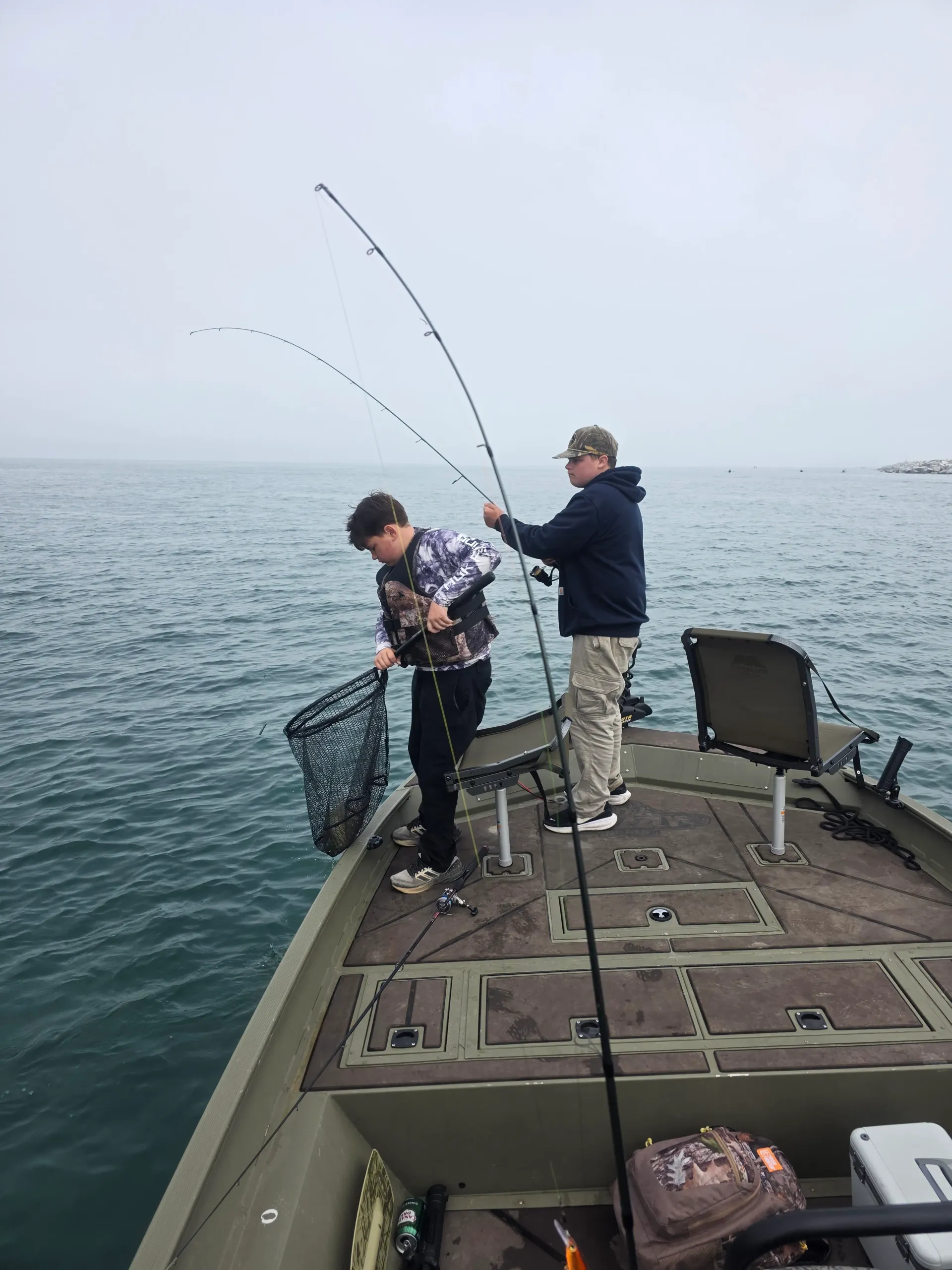
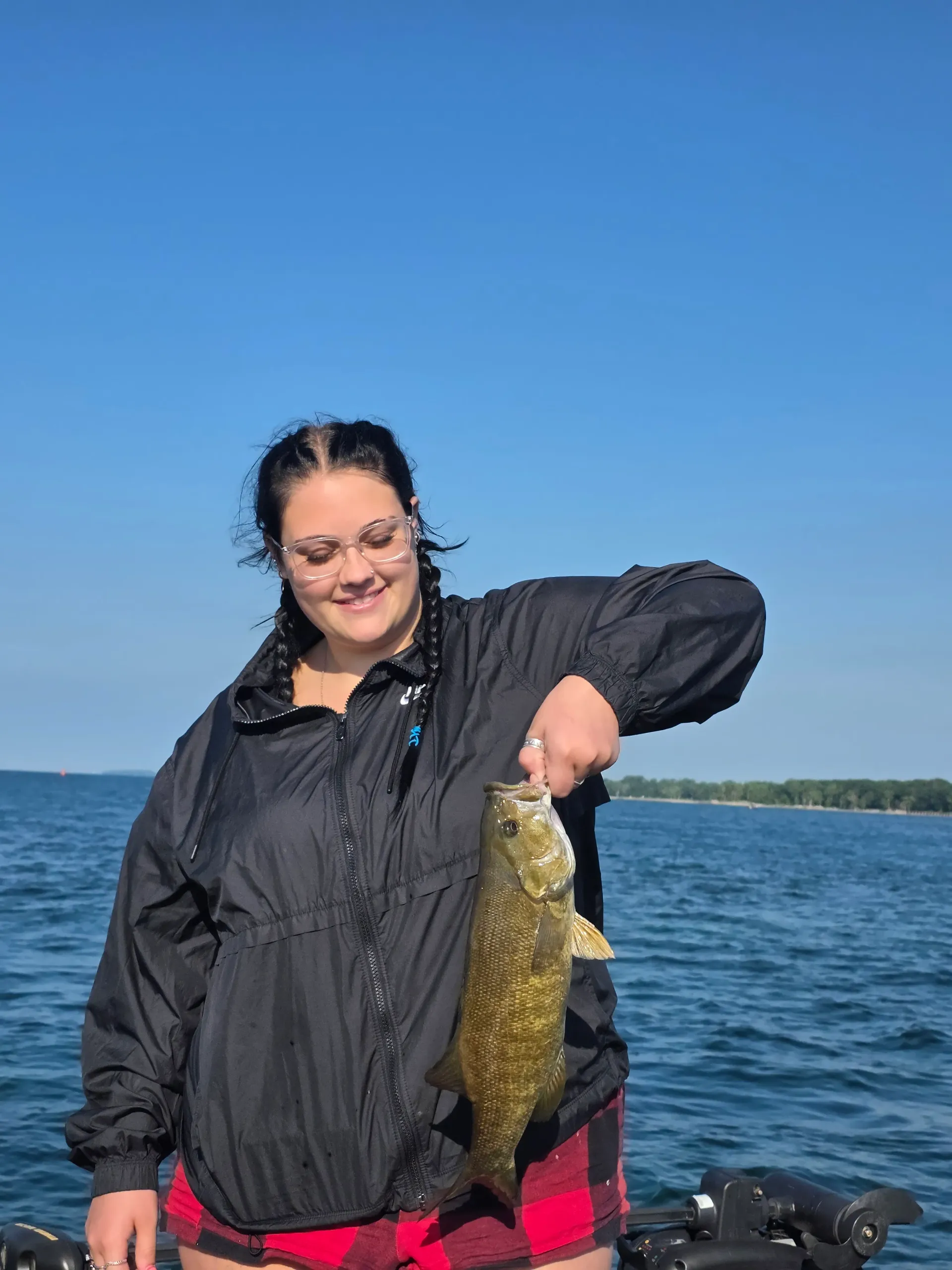
A Lake Erie smallmouth charter gives anglers a chance to target one of the lake's most popular game fish while fishing areas selected for current conditions, depth, structure, and bass activity. Lake Erie offers rocky reefs, shoals, drop-offs, and other underwater features that can hold smallmouth bass during different parts of the fishing season. Because bass move as water temperatures and feeding patterns change, knowing where to look and how to present a lure can make a major difference. A guided trip also takes much of the guesswork out of fishing unfamiliar water. With local knowledge, fishing electronics, and proven techniques, anglers can spend more time working productive areas and learning how to target smallmouth bass effectively.
Why Choose Lake Erie for Smallmouth Bass Fishing?
Lake Erie offers several conditions that make it a productive destination for smallmouth bass anglers. Rocky structure, depth changes, and available forage give anglers different ways to target bass throughout the fishing season, from shallow-water casting to deeper presentations.
- Rocky habitat for bass: Focus on rocky reefs, shoals, and hard-bottom areas where smallmouth bass can hold and feed. Tube jigs and other bottom-oriented soft plastics work well around this type of structure.
- Depth changes to target: Fish areas where shallow structure drops into deeper water. These transitions can be worked with drop-shot rigs, jigs, or soft plastics depending on the depth.
- Plenty of forage: Crayfish and baitfish are important food sources for smallmouth bass. Match your lure to the available forage, using crayfish-style plastics around rocks and minnow imitations where baitfish are active.
- Different fishing options: Lake Erie allows anglers to switch between casting, jigging, and drop-shot fishing as bass move between shallow and deeper water.
Where Can You Find Smallmouth Bass on Lake Erie?
Smallmouth bass use different parts of Lake Erie depending on water temperature, depth, forage, and seasonal movement. Rather than fishing an entire area randomly, anglers can focus on specific structure and use techniques suited to the depth where bass are holding.
Rocky Reefs and Shoals
Rocky reefs and shoals can be productive places to target smallmouth bass, especially when fish are feeding close to the bottom. Working lures around the rocks can imitate crayfish and other natural food sources.
- Drag tube jigs: Cast a tube jig around rocky structure and slowly drag or hop it across the bottom to imitate a crayfish.
- Work the edges: Fish the edges of reefs and shoals rather than only the shallowest sections. Bass can hold where the structure transitions into deeper water.
- Use natural presentations: When bass are less aggressive, slow-moving soft plastics or Ned rigs can keep a compact bait near the rocks for longer periods.
Drop-Offs and Deeper Water
Drop-offs become useful targets when smallmouth bass move deeper, particularly during warmer conditions. These areas let anglers cover different depths without moving far from productive structure.
- Use drop-shot rigs: Keep a minnow-style bait or worm above the bottom while fishing along deeper rocky structure.
- Find the depth with electronics: Use the fish finder to identify depth changes and locate fish before spending time working a particular section.
- Change lure weight: Use heavier jigs or sinkers when needed to maintain bottom contact and control the presentation in deeper water.
Nearshore and Offshore Areas
Smallmouth bass can move between nearshore and offshore structure throughout the season. The most productive area can change with water temperature, forage, and bass activity.
- Cast shallow structure: During active periods, cast tube jigs, Ned rigs, or other soft plastics around rocky nearshore areas.
- Move deeper when needed: If shallow areas are unproductive, check nearby reefs, drop-offs, and deeper structure rather than staying in one location.
- Follow baitfish: Use electronics to locate baitfish and concentrate on nearby structure where smallmouth bass may be feeding.
What Is the Best Time for a Lake Erie Smallmouth Charter?
The best time for a Lake Erie smallmouth charter depends on seasonal water temperatures and where bass are holding. Spring, summer, and fall each offer different opportunities, so anglers should change their location, depth, and presentation as lake conditions develop.
Spring Smallmouth Fishing
Spring brings warming water and increased bass movement. As temperatures rise, smallmouth bass become more active and begin using shallower rocky areas.
- Fish shallow structure: Target rocky shorelines, reefs, and shoals as bass move into shallower water.
- Use slow presentations: Work tube jigs, Ned rigs, and other soft plastics slowly around rocky areas when water temperatures are still cool.
- Target pre-spawn areas: Focus on rocky areas close to deeper water where bass can move between depths as conditions change.
Summer Smallmouth Fishing
Warmer summer water can push smallmouth bass toward deeper structure, especially during periods of higher temperatures. Deeper reefs and drop-offs become important areas to check.
- Fish deeper structure: Use drop-shot rigs and jigs around deeper reefs, rocky bottoms, and drop-offs.
- Keep contact with the bottom: Adjust your sinker or jig weight so the presentation stays close to the structure where bass are holding.
- Use electronics: Watch your fish finder for productive depths and mark areas where bass or baitfish are concentrated.
Fall Smallmouth Fishing
Cooling water can increase feeding activity and bring smallmouth bass back toward shallower structure. Areas holding baitfish can be especially useful during this transition.
- Follow baitfish: Look for baitfish activity and fish nearby rocky structure where bass may be feeding.
- Cast shallow areas: Tube jigs, soft plastics, and other casting presentations can work well around rocky shoals and nearshore structure.
- Adjust with cooling temperatures: If bass stop responding in shallow water, check nearby deeper structure and change depth rather than abandoning the area completely.
How Water Temperature Affects Bass Location
Water temperature influences where smallmouth bass hold and how actively they feed. Tracking temperature changes can help anglers decide when to move shallower, fish deeper, or change their presentation.
- Warming spring water: Gradually move toward shallower rocky areas as bass become more active.
- Warm summer water: Check deeper reefs and drop-offs and use presentations that can reach the fish.
- Cooling fall water: Follow bass toward shallower feeding areas, especially where baitfish are present, then adjust toward deeper water as temperatures continue to fall.
What Can You Expect on a Lake Erie Smallmouth Charter?
A guided Lake Erie smallmouth charter takes much of the searching and planning out of the fishing trip. The captain can use local knowledge, electronics, current lake conditions, and proven fishing techniques to help anglers reach productive water and spend more time targeting bass.
- Start with current conditions: The captain can assess water temperature, wind, depth, and recent fish activity before deciding where to begin fishing.
- Position the boat around structure: The boat can be placed near reefs, shoals, drop-offs, or other productive areas so anglers can make effective casts or vertical presentations.
- Use electronics to locate fish: Fish-finding electronics can help identify depth, bottom structure, baitfish, and areas where smallmouth bass may be holding.
- Adjust throughout the trip: If bass are not responding, the fishing approach can change by moving to a different depth, changing locations, or switching techniques and presentations.
- Learn while fishing: A guided trip gives anglers an opportunity to learn how to work lures, read structure, control depth, and adjust presentations based on fish activity.
What Techniques Work Best for Lake Erie Smallmouth Bass?
Smallmouth bass can respond to different presentations depending on their depth, activity level, and relationship to structure. Having several techniques available allows anglers to change their approach instead of continuing with a presentation that is not producing.
- Jigging: Work jigs close to rocky bottoms and deeper structure, using short lifts and controlled drops to keep the lure in the strike zone.
- Drop-shot fishing: Use a drop-shot rig around deeper reefs and drop-offs to suspend a worm or minnow-style bait above the bottom.
- Casting: Cast tube jigs, Ned rigs, and soft plastics toward rocky structure, then retrieve them at a pace that matches bass activity.
- Bottom presentations: Drag or hop soft plastics and jigs across rocky bottoms to imitate crayfish and other prey found near the lake floor.
- Match the technique to depth: Use casting and lighter presentations in shallower water, then switch to heavier jigs or drop-shot rigs when fishing deeper structure.
What Baits and Lures Should You Use?
The best bait or lure can depend on what smallmouth bass are feeding on and how active they are. A selection of natural-looking presentations gives anglers options for fishing shallow structure, deeper water, and changing lake conditions.
- Emerald shiners: Minnow-style live bait can imitate a natural forage source and can be useful when bass are feeding on baitfish.
- Crayfish: Fish crayfish or crayfish-style presentations around rocky bottoms where smallmouth bass are searching for food.
- Tube jigs: Work tube jigs around reefs, shoals, and rocky bottoms with a slow drag or hopping motion.
- Drop-shot minnows and worms: Present a small minnow or worm above the bottom when fishing deeper structure or less active bass.
- Ned rigs and soft plastics: Use compact soft plastics when bass need a slower presentation, especially around rocky structure and shallow areas.
- Match lures to conditions: Adjust lure size, weight, color, and retrieval speed based on water clarity, depth, temperature, and bass activity.
What Fishing Gear Do You Need for a Smallmouth Charter?
The right gear helps anglers make accurate casts, maintain control of their presentation, and handle smallmouth bass around rocky structure. Before the trip, confirm what equipment the charter provides and bring any personal items that are not included.
- Rod and Reel: A medium-light to medium spinning setup provides sensitivity for lighter presentations while offering enough strength for smallmouth bass.
- Fishing Line: Braided main line with an appropriate fluorocarbon leader can provide sensitivity and abrasion resistance around rocky structure.
- Hooks: Carry different hook sizes for drop-shot rigs, live bait, and soft plastic presentations.
- Jig Heads: Use different jig weights to match the depth, current, and presentation speed needed during the trip.
- Terminal Tackle: Bring or confirm swivels, sinkers, snaps, and other components needed for building or changing rigs.
- Soft Plastics: Tube jigs, worms, Ned rigs, minnows, and other smallmouth bass plastics provide options for different conditions.
- Personal Gear: Pack weather-appropriate clothing, sunglasses, sunscreen, food, drinks, and any personal items needed during the charter.
- Charter Equipment: Confirm whether rods, reels, tackle, bait, and other fishing equipment are included before your trip.
Do You Need a New York Fishing License for Lake Erie?
If you plan on fishing on Lake Erie, you may need a valid New York fishing license depending on your age, residency, and where you fish. Anglers fishing the New York portion of the lake should check the current requirements from the New York State Department of Environmental Conservation before their trip. Both residents and non-residents can obtain applicable fishing licenses through New York's official licensing system. It is also important to review the latest New York State freshwater fishing regulations for seasons, catch limits, and other requirements. If your charter crosses into waters managed by another jurisdiction, additional licensing rules may apply.
Why Choose RNK Outdoors for a Lake Erie Smallmouth Charter?
RNK Outdoors offers guided fishing trips on Lake Erie and throughout Western New York, giving anglers the opportunity to fish with a captain who knows the local water and seasonal conditions. Captain Ryan Garra is a USCG licensed guide with more than 20 years of local experience. Our trips target popular Lake Erie species, including smallmouth bass, and we use local knowledge to select fishing areas based on conditions, depth, structure, and fish activity. We also help anglers learn practical fishing techniques during the trip, from working different presentations to adjusting depth and location. This combination of local experience, guided fishing, and hands-on instruction can make a Lake Erie smallmouth charter a useful choice for both experienced anglers and those new to the fishery.
Conclusion
A Lake Erie smallmouth charter gives anglers a practical way to target smallmouth bass around rocky reefs, shoals, drop-offs, and deeper structure. Bass can move between these areas as water temperatures, forage, and seasonal conditions change, so anglers need to adjust their depth, location, and presentation. Tube jigs, drop-shot rigs, Ned rigs, live bait, and other soft plastics can all be useful depending on where the fish are holding. Checking your New York fishing license requirements, current freshwater regulations, equipment, weather, and charter details before the trip can also make preparation easier. If you are ready to fish Lake Erie with a local guide, book your Lake Erie smallmouth charter with RNK Outdoors today.
FAQs
1. What is the best time for a Lake Erie smallmouth charter?
Spring, summer, and fall can all provide good smallmouth fishing, with bass changing depth and location as water temperatures change.
2. Where can you find smallmouth bass on Lake Erie?
Look around rocky reefs, shoals, drop-offs, rocky bottoms, and areas where shallow structure transitions into deeper water.
3. What depth do you fish for smallmouth bass?
The best depth changes by season and conditions. Shallow areas can work in spring and fall, while deeper structure can produce during summer.
4. What bait works best for Lake Erie smallmouth bass?
Tube jigs, drop-shot worms, minnow-style baits, Ned rigs, crayfish-style plastics, and live bait can all work depending on conditions.
5. Do I need a New York fishing license to fish Lake Erie?
A New York freshwater fishing license may be required for the New York portion of Lake Erie. Check current NYS DEC regulations before fishing.
6. Can non-residents fish Lake Erie?
Yes, non-residents can fish the New York portion of Lake Erie when they meet New York's current licensing and fishing regulations.
7. What should I bring on a smallmouth charter?
Bring weather-appropriate clothing, sunglasses, sunscreen, food, drinks, and personal items. Confirm what fishing equipment the charter provides.
8. How long does a Lake Erie fishing charter last?
Charter length depends on the trip selected. Confirm the available trip duration and schedule with RNK Outdoors before booking.
9. Is Lake Erie smallmouth fishing good for beginners?
Yes. A guided charter can help beginners learn casting, lure presentation, depth control, and other basic techniques while targeting smallmouth bass.
10. What happens if weather conditions are poor?
Lake Erie conditions can change quickly. The captain can assess conditions and determine whether the trip should proceed, change locations, or be rescheduled.