Lake Erie Smallmouth Bass Fishing Charters

Published: October 6, 2026
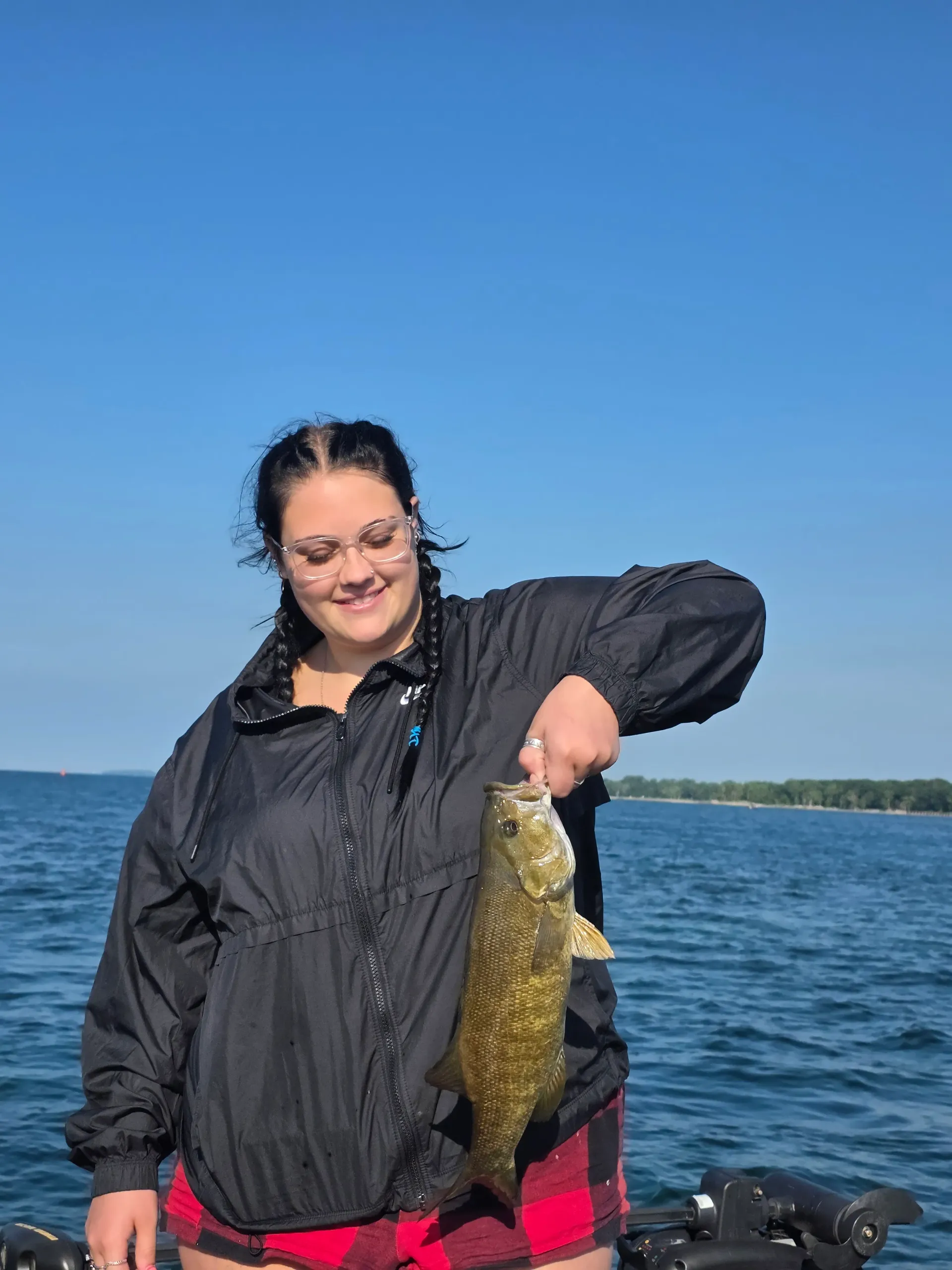
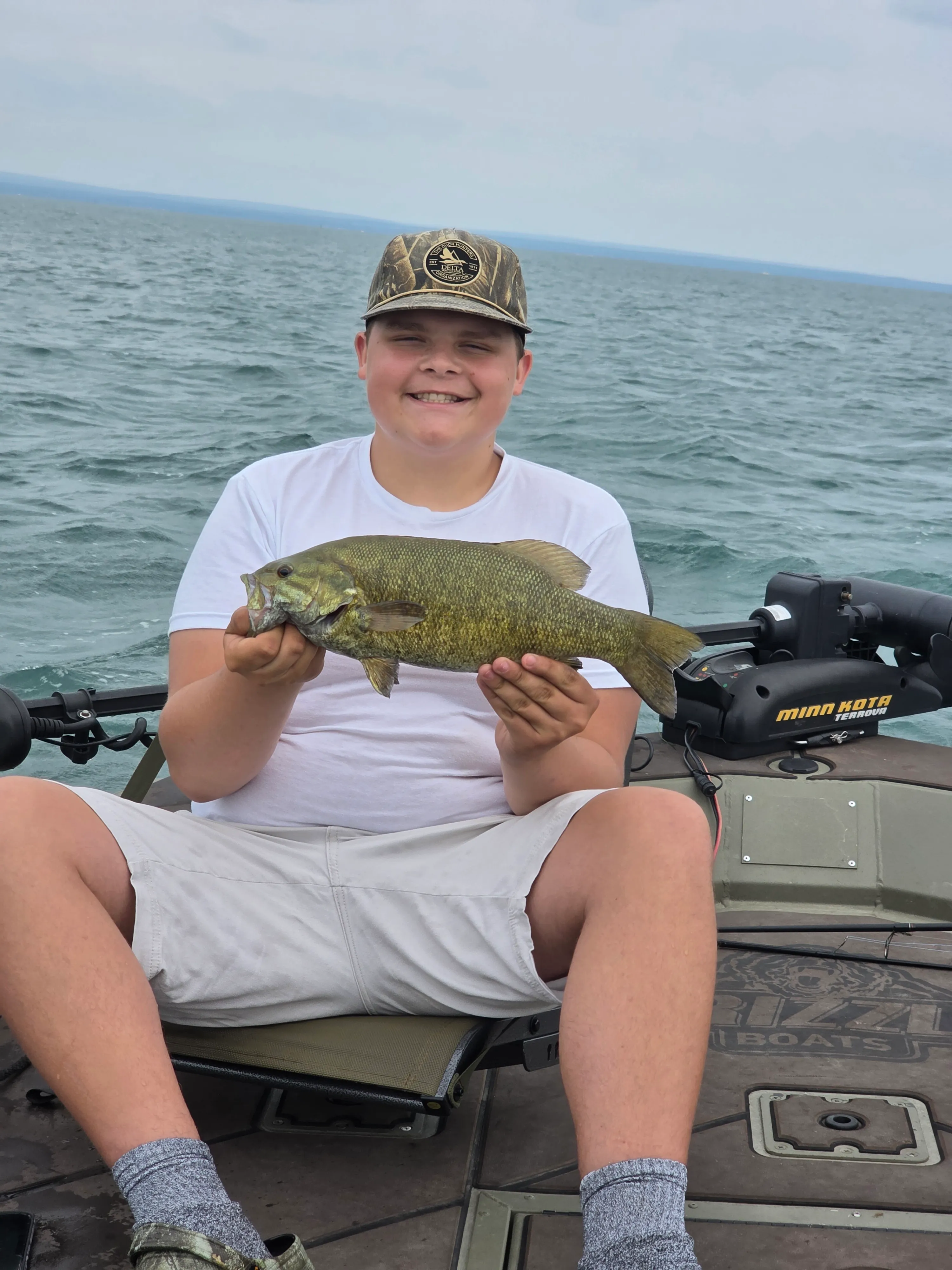
Lake Erie is a strong smallmouth bass fishery, offering rocky reefs, shoals, drop-offs, and deeper structures where bass can feed and hold throughout the season. These fish are known for their aggressive strikes and powerful fights, making them a popular target for anglers of different experience levels. A Lake Erie smallmouth bass fishing charter gives anglers the chance to fish productive areas with a local guide who understands seasonal bass movement, water conditions, and effective techniques. Guided trips also provide an opportunity to learn how to read underwater structure, select effective presentations, and adjust fishing techniques as lake conditions change.
Why Is Lake Erie Good for Smallmouth Bass Fishing?
Lake Erie provides the combination of structure, depth changes, and forage that smallmouth bass need throughout the fishing season. Its rocky underwater environment gives bass plenty of areas to hold and feed, while changes in depth allow them to move between shallow and deeper water as conditions change.
- Smallmouth bass habitat: Lake Erie has extensive rocky bottoms, reefs, shoals, drop-offs, and other underwater structures that provide areas for smallmouth bass to feed, rest, and find cover.
- Rocky structure and depth changes: Smallmouth bass often stay close to rocky structure. Reefs, shoals, and drop-offs create depth changes where bass can position themselves near passing prey while avoiding unnecessary current or movement.
- Food-rich areas: Rocky structures can attract baitfish and crayfish, which are important food sources for smallmouth bass. Areas where structure and forage come together can hold active fish.
Where to Find Smallmouth Bass in Lake Erie
Finding smallmouth bass on Lake Erie is largely about identifying the right combination of depth and structure. Bass can move considerably as water temperatures change, so anglers should not rely on one location or depth throughout the season.
Productive Depths and Structure
Depth can vary depending on the season and current lake conditions. During warmer periods, deeper structure can become particularly important.
- 25 to 40 feet: This depth range can be productive for smallmouth bass during warmer conditions, particularly around reefs, rocky bottoms, and drop-offs.
- Depth changes: Pay attention to areas where shallow structure quickly transitions into deeper water, as bass can use these edges to move between feeding and holding areas.
- Sonar: Electronics can help identify underwater structure and locate bass around specific depth changes instead of fishing large areas without a clear target.
Rocky Reefs and Underwater Shoals
Rocky reefs and underwater shoals are some of the most important smallmouth bass areas in Lake Erie. They provide both physical structure and access to the forage bass depend on.
- Rocky bottoms: Bass often hold close to rocks while searching for crayfish and baitfish.
- Reef edges: The deeper edges of reefs can be productive when bass move away from shallower structure.
- Shoals: Shallow underwater rises can attract feeding bass, particularly when baitfish are present.
Seasonal Movement Between Shallow and Deep Water
Smallmouth bass shift between shallow and deep areas as water temperatures and seasonal activity change. Understanding this movement can help anglers choose where to start fishing.
- Spring: Bass move toward shallower rocky areas as the water warms and spawning activity approaches.
- Summer: Warmer conditions can push bass toward deeper reefs, drop-offs, and cooler water.
- Fall: Cooling water can bring bass back toward shallower structure as feeding activity increases.
When Is the Best Time for Lake Erie Smallmouth Bass?
Lake Erie smallmouth bass can be targeted during spring, summer, and fall, but each season offers different fishing conditions. Water temperature plays a major role in determining where bass hold and how actively they feed.
Spring
Spring marks the start of increased smallmouth bass activity as Lake Erie begins to warm. Fish gradually move from deeper winter areas toward shallower structure.
- Shallow movement: Bass move toward rocky shoals, reefs, and nearshore structure as water temperatures rise.
- Pre-spawn fishing: Pre-spawn smallmouth bass can become active around rocky areas as they prepare for spawning.
Summer
Summer brings warmer water and often pushes smallmouth bass toward deeper structure, particularly during periods of higher water temperature.
- Deep structure: Look around deeper reefs, drop-offs, and rocky areas where bass can find cooler water.
- Deeper presentations: Drop-shot rigs and other techniques that keep bait close to deeper structure can be effective.
Fall
Cooling water changes the summer pattern and can bring smallmouth bass back toward shallower feeding areas.
- Nearshore structure: Rocky shoals, reefs, and other shallow areas can become productive as bass move closer to shore.
- Feeding activity: Increased baitfish movement can attract actively feeding bass around structure.
How Water Temperature Affects Bass Activity
Water temperature is one of the clearest indicators of smallmouth bass movement on Lake Erie. Even moderate changes can shift fish between depths.
- Warming water: Bass gradually move from deeper areas toward shallower structure during spring.
- Warm summer water: Fish may move deeper to find more suitable temperatures.
- Cooling water: Bass can return toward shallower feeding areas during fall before moving back to deeper wintering locations.
What to Expect on a Lake Erie Smallmouth Bass Fishing Charter
A Lake Erie smallmouth bass fishing charter gives anglers access to guided fishing in areas selected based on current conditions, depth, structure, and bass activity. The trip is focused on finding productive water and using techniques that match where the fish are holding.
- Typical charter experience: A guided trip usually starts with an assessment of current lake conditions and a plan for targeting smallmouth bass. The captain can adjust the plan as conditions and fish activity change.
- Boat positioning: The boat may be positioned around reefs, shoals, drop-offs, rocky areas, or other productive structure. Proper positioning helps anglers present their bait or lure where bass are most likely to be holding.
- Using electronics: Fish finders and other onboard electronics help identify depth changes, underwater structure, and areas where bass may be concentrated. This allows the captain to spend less time searching unproductive water.
- More time fishing: A local guide handles navigation, location selection, and many of the technical details involved in fishing unfamiliar water. Anglers can spend more of the trip casting, jigging, and working productive areas.
Best Techniques for Lake Erie Smallmouth Bass
The best smallmouth bass technique can change based on depth, structure, water temperature, and fish activity. Having several presentation options allows anglers to adjust when bass move or respond differently to a particular technique.
- Jigging: Jigging works well around rocky structure and deeper areas where bass are holding close to the bottom. The jig can be worked vertically or along the structure to reach fish at specific depths.
- Drop-shot fishing: A drop-shot keeps the bait above the bottom while allowing anglers to fish precisely around deeper reefs, rocky areas, and drop-offs.
- Casting: Casting soft plastics, tube jigs, and other lures allows anglers to cover shallow reefs, shoals, and rocky areas where active smallmouth bass are feeding.
- Bottom-oriented presentations: Presentations worked close to the bottom can be effective because smallmouth bass often relate to rocks, reefs, and other bottom structure while feeding.
- Matching the technique to depth and structure: Shallow rocky areas may call for casting, while deeper reefs and drop-offs can be better suited to jigging or drop-shot fishing. The technique should match where the bass are holding.
What Baits and Lures Work for Lake Erie Smallmouth Bass?
Smallmouth bass respond to different baits and lures depending on their food sources, water conditions, depth, and activity level. Carrying several options makes it easier to change presentations when fish are not responding to the first choice.
- Live bait: Emerald shiners and crayfish can imitate natural food sources that smallmouth bass commonly feed on. Live bait can be useful when fish are responding better to natural presentations.
- Tube jigs: Tube jigs are a popular option for fishing around rocky bottoms, reefs, and other structure. They can be cast, dragged, or worked along the bottom.
- Drop-shot minnows and worms: Small minnows and worms rigged on a drop-shot can be presented above the bottom, making them useful for deeper structure and less active fish.
- Ned rigs and soft plastics: Ned rigs and other soft plastics provide compact presentations that can be worked around rocks and structure when bass need a slower presentation.
- Matching lure choice to conditions: Lure size, weight, color, and presentation can be adjusted based on water clarity, depth, current conditions, and how actively the bass are feeding.
What Fishing Gear Do You Need for a Smallmouth Bass Charter?
Having the right fishing gear helps anglers make effective presentations and handle smallmouth bass comfortably throughout the trip. Before heading out, confirm what equipment the charter provides and what you need to bring yourself.
- Rod and Reel Setup
- Line and Leader
- Hooks
- Jigs
- Terminal Tackle
- Fishing Pliers
- Landing Net
- Charter-Provided Gear
What Should You Check Before Your Lake Erie Smallmouth Bass Charter?
A little preparation can make your charter more comfortable and help you spend more time fishing. Before your trip, confirm the departure details, fishing license requirements, equipment, weather conditions, and what the charter provides.
- Fishing license: Anglers fishing New York freshwater generally need a valid New York fishing license. The current 2026 regulations require licenses for anglers 16 and older, with specific exemptions and free fishing days.
- Weather conditions: Lake Erie conditions can change quickly. Check the forecast before your trip and follow the captain's guidance regarding weather and water conditions.
- Equipment: Confirm whether rods, reels, tackle, bait, and other fishing equipment are provided. This helps you avoid bringing unnecessary gear or arriving without something you need.
- Clothing and personal items: Bring weather-appropriate clothing, sunglasses, sunscreen, food, drinks, and any personal items you may need during the trip.
Why Choose RNK Outdoors for Lake Erie Smallmouth Bass Fishing?
RNK Outdoors provides guided fishing trips on Lake Erie and throughout Western New York, giving anglers an opportunity to fish with a captain who knows the local water and seasonal conditions. Captain Ryan Garra is a USCG licensed guide with more than 20 years of local experience. Our guided fishing experience focuses on helping anglers reach productive water and target popular Lake Erie species, including smallmouth bass. We can adjust where and how we fish based on current conditions, water depth, structure, and fish activity. Along with finding productive areas, we provide practical fishing instruction to help anglers improve their use of tackle, presentations, and techniques during the trip.
Conclusion
Lake Erie offers excellent opportunities for smallmouth bass fishing, with rocky reefs, shoals, drop-offs, and deeper structures providing productive habitat throughout the season. Bass move between shallow and deep water as temperatures, forage, and seasonal activity change, so choosing the right location and presentation is important. Jigging, drop-shot fishing, casting, and bottom-oriented techniques can all play a role depending on where the fish are holding. Live bait, tube jigs, soft plastics, and other lures give anglers several ways to target active bass. A guided charter can make it easier to locate productive water and adjust techniques as conditions change. Ready to target Lake Erie smallmouth bass with a local guide? Book your Lake Erie fishing charter with RNK Outdoors today.
FAQs
1. What is the best time to catch smallmouth bass on Lake Erie?
Spring, summer, and fall can all provide good smallmouth bass fishing, with bass moving between shallow and deeper water as temperatures change.
2. Where can you find smallmouth bass in Lake Erie?
Look around rocky reefs, shoals, drop-offs, underwater structure, and areas where depth changes create productive feeding and holding locations.
3. What bait and lures work best for Lake Erie smallmouth bass?
Emerald shiners, crayfish, tube jigs, drop-shot minnows, worms, Ned rigs, and other soft plastics can be effective depending on conditions.
4. How deep do you fish for smallmouth bass on Lake Erie?
Smallmouth bass can be found at different depths throughout the season. During warmer conditions, 25 to 40 feet can be productive around deeper structure.
5. Do I need a fishing license for Lake Erie?
Anglers fishing New York freshwater generally need a valid fishing license. New York's 2026 regulations generally require licenses for anglers 16 and older, with certain exemptions.
6. What should I bring on a smallmouth bass fishing charter?
Bring weather-appropriate clothing, sunglasses, sunscreen, food, drinks, and personal items. Confirm beforehand what fishing equipment the charter provides.
7. Are Lake Erie smallmouth bass charters suitable for beginners and families?
Yes. Guided fishing trips can be suitable for beginners and families because the captain can provide instruction and help anglers learn effective fishing techniques.
8. How long does a Lake Erie fishing charter last?
Charter duration depends on the trip selected. Confirm the scheduled trip length with RNK Outdoors when making your reservation.
9. Does the charter provide a boat and fishing equipment?
The charter provides the boat and guided fishing experience. Confirm which rods, reels, tackle, and bait are included before your trip.
10. What happens if the weather or lake conditions are poor?
Lake Erie conditions can change quickly. The captain monitors conditions and can determine whether the trip should proceed, change locations, or be adjusted for safety and fishing conditions.