Fishing Guides on Lake Erie

Published: October 6, 2026
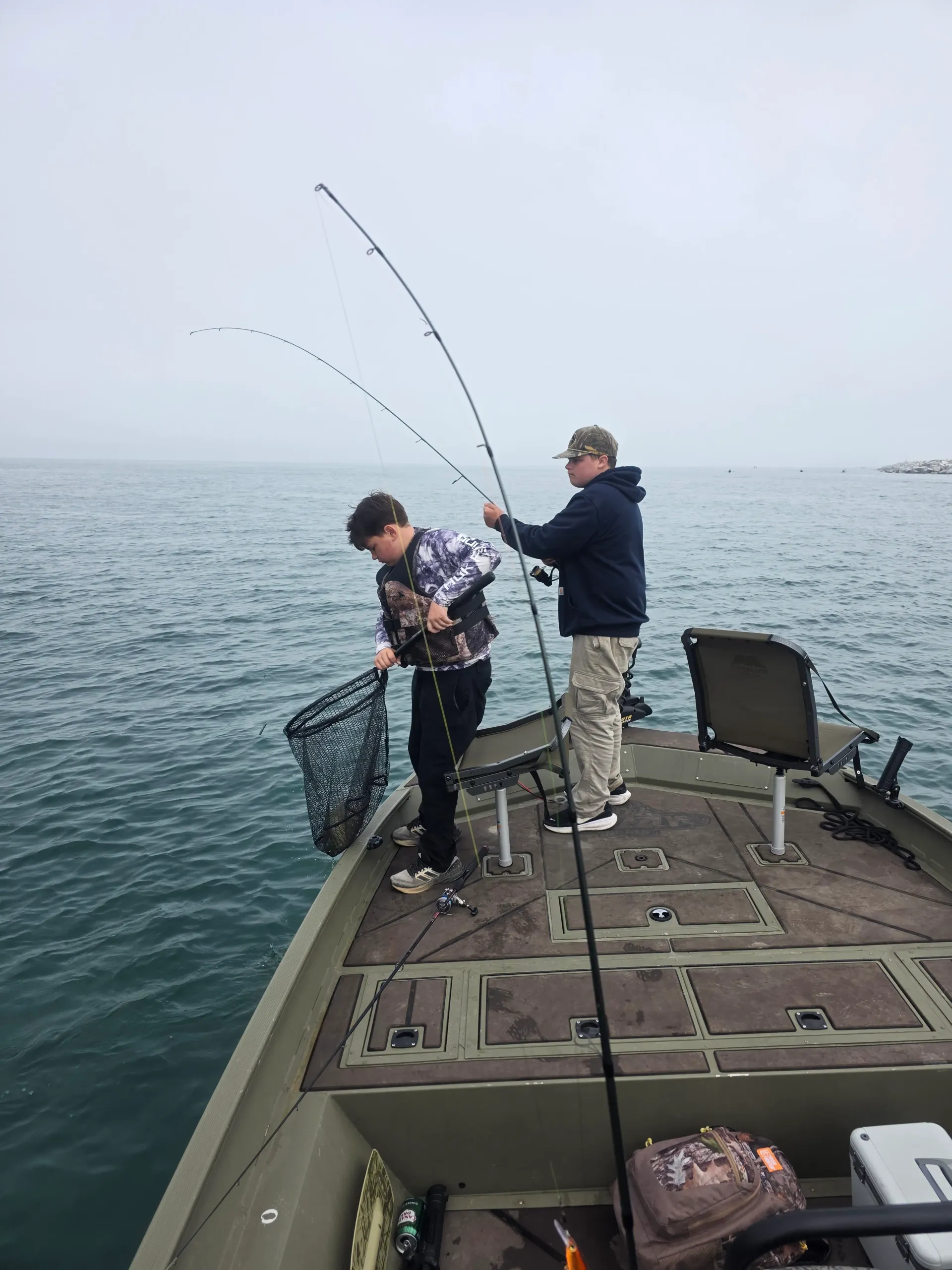
Fishing Lake Erie can be rewarding, but finding productive water on such a large lake requires more than simply choosing a spot and casting. A local fishing guide on Lake Erie can help anglers identify productive depths, locate underwater structure, read fish-finder information, and choose techniques based on current conditions. Lake Erie also supports several popular game fish, including smallmouth bass, walleye, yellow perch, and white bass. Their locations and feeding patterns change throughout the fishing season, so the same approach may not work every day. Guided trips give anglers the chance to spend more time fishing and less time searching unfamiliar water. They can also provide hands-on instruction for anglers who want to improve their fishing skills.
What Can a Lake Erie Fishing Guide Help You Find?
A Lake Erie fishing guide uses knowledge of the lake, seasonal fish movement, water conditions, and electronics to narrow down areas worth fishing. Instead of covering large amounts of unproductive water, anglers can focus their time on structure, depths, and feeding areas that match the target species.
Rocky Reefs and Shoals
Rocky reefs and shoals can hold different Lake Erie species depending on the season and water conditions. Guides can identify productive sections of these areas and choose presentations that keep lures close to where fish are holding.
- Smallmouth bass: Cast tube jigs, Ned rigs, or other soft plastics around rocky structure and reef edges.
- Work the bottom: Drag or hop jigs along rocky areas when bass are feeding close to the lake floor.
- Fish the edges: Target the transition between the reef and deeper water when fish are not holding on top of the structure.
- Use electronics: Check the depth and structure before spending time working a specific reef.
Drop-Offs and Depth Changes
Sudden changes in depth can give fish access to both shallow feeding areas and deeper holding water. These locations are useful when fish move away from shallow structure or change their position during the day.
- Target the depth change: Work jigs, drop-shot rigs, or other presentations along the edge where shallow water falls into deeper water.
- Check multiple depths: If fish are not responding, change the depth rather than continuing to fish one level.
- Use heavier presentations: Increase jig or sinker weight when needed to maintain bottom contact in deeper water.
- Watch the fish finder: Use electronics to identify the depth where fish are holding before adjusting your presentation.
Baitfish and Feeding Areas
Finding baitfish can help narrow down where predatory fish are likely to feed. A guide can use electronics and on-water observations to identify areas with forage and then choose a presentation that matches what fish are feeding on.
- Locate baitfish first: Check the fish finder for concentrated baitfish before selecting a fishing area.
- Match the forage: Use minnow-style lures when fish are feeding on baitfish and crayfish-style plastics around rocky bottoms.
- Fish nearby structure: Work reefs, drop-offs, or other structure close to baitfish activity.
- Change presentation: If fish are present but not striking, adjust lure size, weight, or retrieval speed.
What Fish Can You Target With Lake Erie Fishing Guides?What Fish Can You Target With Lake Erie Fishing Guides?
Lake Erie offers several fishing opportunities, and the best species to target can change with season, location, depth, and water conditions. A guide can help anglers focus on a particular species and adjust the fishing method to where those fish are active.
Smallmouth Bass
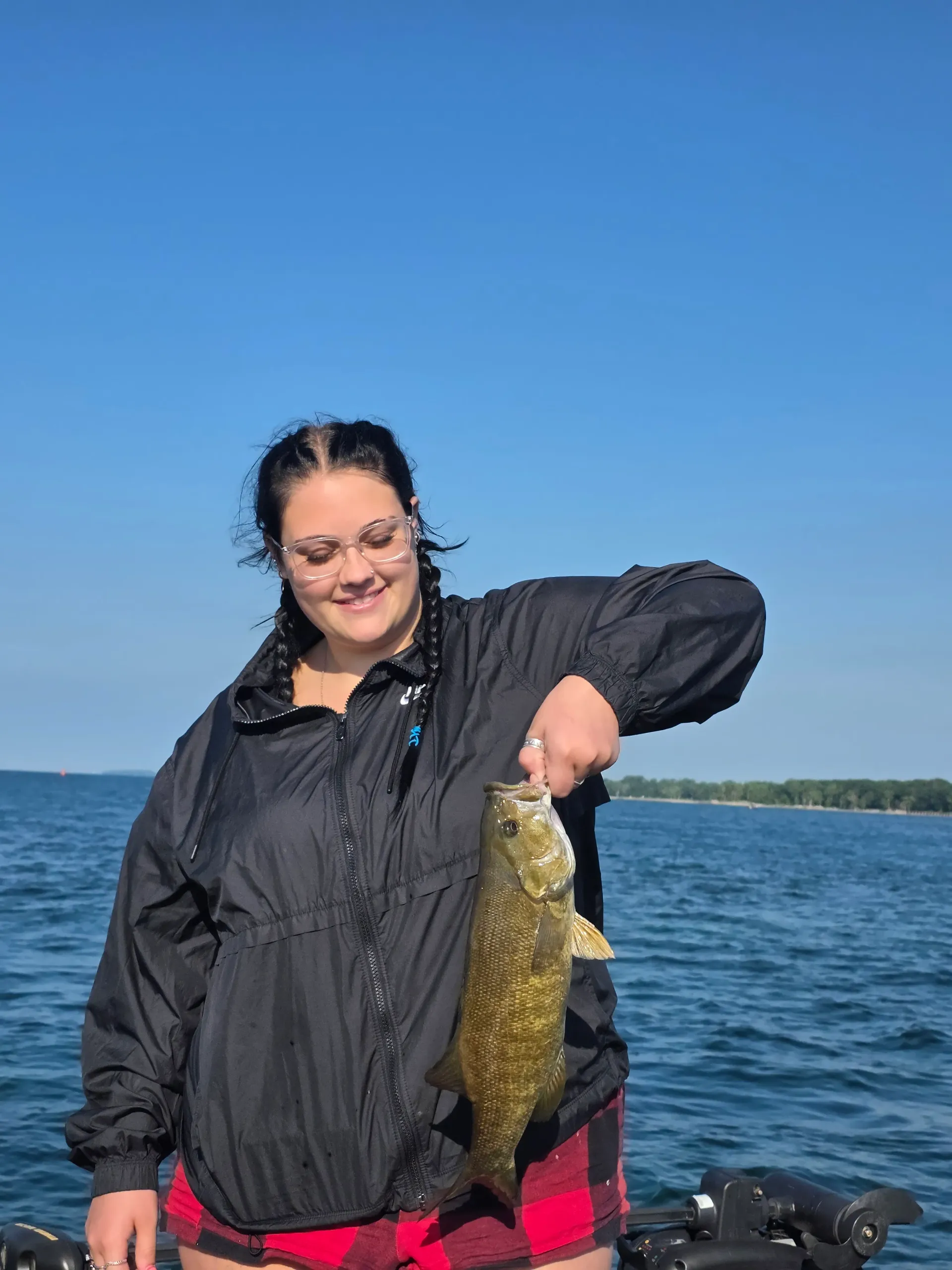
Smallmouth bass are strongly associated with rocky structure and can move between shallow and deeper water as conditions change. Targeting them often involves keeping the presentation close to rocks and adjusting depth as fish move.
- Use tube jigs: Cast and slowly drag tube jigs across rocky bottoms and around reef edges.
- Try drop-shot rigs: Present worms or minnow-style baits above the bottom when bass are holding deeper.
- Target depth changes: Fish areas where reefs, shoals, or rocky bottoms transition into deeper water.
- Follow seasonal movement: Check shallower structure during spring and fall and deeper areas during warmer summer conditions.
Walleye
Walleye can be targeted using different techniques as they move between shallow and deeper water throughout the season. Guides can help determine which depths and presentations are producing under current conditions.
- Troll productive depths: Use trolling to cover water and locate active walleye at specific depths.
- Try jigging: Jig around structure when walleye are concentrated in a defined area.
- Follow baitfish: Check areas where baitfish are present, particularly when walleye are actively feeding.
- Adjust depth: Change trolling depth or jig weight when fish move higher or lower in the water column.
Yellow Perch
Yellow perch often gather in schools, making electronics useful for identifying their location before dropping a presentation. Once a school is located, anglers can stay near the productive depth and adjust the rig as needed.
- Find the school: Use electronics to locate concentrated groups before dropping bait.
- Fish vertically: Keep the bait near the depth where perch are marked.
- Use natural bait: Small live bait or natural-looking presentations can work well when perch are feeding.
- Stay with productive water: If perch remain active, maintain boat position instead of repeatedly moving to new areas.
Lake Erie White Bass
White bass can become active around baitfish and may feed aggressively when conditions are right. Their location can change quickly, making it useful to watch for baitfish activity and surface feeding.
- Look for feeding activity: Watch for baitfish movement or visible surface activity that can indicate feeding white bass.
- Cast to active fish: Use small jigs, spoons, or minnow-style lures when fish are feeding near the surface.
- Adjust lure depth: If surface activity disappears, work the lure deeper to locate fish below.
- Follow moving schools: White bass can move with forage, so be prepared to reposition when the school moves.
How Do Fishing Guides Find Fish on Lake Erie?
Finding fish on Lake Erie involves more than knowing popular fishing spots. Guides combine electronics with observations of water conditions, depth, structure, and forage to decide where to fish and when to change locations.
Using Fish Finders
Fish finders help guides identify bottom contours, depth changes, baitfish, and fish activity. Reading these displays correctly can make it easier to focus on areas with a higher chance of producing fish.
- Mark productive depths: Note the depth where fish are consistently appearing and keep presentations in that zone.
- Identify bottom structure: Look for reefs, drop-offs, hard-bottom areas, and other changes that can hold fish.
- Locate baitfish: Concentrated baitfish can point toward nearby feeding activity.
- Compare multiple areas: Use electronics to check several pieces of structure before settling on the most productive one.
Reading Water Conditions
Water temperature, clarity, wind, and other lake conditions can affect fish location and feeding activity. Guides can use these changes to decide whether to fish shallow, move deeper, or change presentations.
- Check water temperature: Use temperature changes to help determine whether fish are likely to be shallow or deeper.
- Watch water clarity: Choose lure size, color, and presentation based on how easily fish can see the bait.
- Consider wind: Wind can change feeding conditions and may make certain structure more productive.
- Adjust throughout the day: Recheck conditions when fish activity changes instead of relying on the morning pattern.
Adjusting Location During the Trip
Fish can move during a charter, so staying in one location is not always the best option. A guide can compare fishing results and current conditions to decide when a new area or depth is worth trying.
- Move when activity slows: If fish are not responding after working an area thoroughly, check another piece of structure.
- Change depth first: Test nearby depth changes before moving far from a productive area.
- Follow forage: Move toward baitfish activity when predator fish shift with their food source.
- Change techniques: If fish are marked but not biting, switch lure type, presentation speed, or fishing depth.
What Fishing Techniques Do Guides Use on Lake Erie?
Lake Erie fishing guides choose techniques based on the target species, water depth, structure, and fish activity. Using the right presentation helps anglers keep their bait or lure in the area where fish are feeding.
- Trolling: Guides can use trolling to cover larger areas and locate walleye or other active fish at different depths. Adjusting trolling speed and lure depth helps keep the presentation near feeding fish.
- Jigging: Jigging works around reefs, drop-offs, and concentrated fish. Change jig weight based on depth and current so the lure stays close to the target zone.
- Drop-shot fishing: Drop-shot rigs are useful for smallmouth bass holding near the bottom. Keep the bait slightly above the lake floor and adjust the weight to maintain bottom contact.
- Casting soft plastics: Tube jigs, worms, and other soft plastics can be cast around rocky structure, reef edges, and shallow areas where bass are active.
- Bottom fishing: Bottom presentations can be useful when fish are holding close to the lake floor. Watch the depth and adjust the weight so the bait stays in the strike zone without constantly dragging through structure.
When Is the Best Time to Fish With a Lake Erie Guide?When Is the Best Time to Fish With a Lake Erie Guide?
Lake Erie fishing changes throughout the year as water temperatures, baitfish, and seasonal fish movements change. A guided trip can focus on the species and techniques that fit the conditions during each part of the fishing season.
Spring Fishing on Lake Erie
Spring brings changing water temperatures and increased fish activity, with some species moving into shallower areas. Guides can adjust locations and presentations as the lake warms.
- Target active shallow fish: Check shallower structure where fish move as water temperatures rise.
- Fish slowly when needed: Use controlled jigging or soft-plastic presentations when fish are less aggressive.
- Watch temperature changes: Even small temperature differences can help identify areas worth fishing.
- Follow seasonal movement: Check spawning and feeding areas based on the target species.
Summer Fishing on Lake Erie
Summer often creates opportunities in both shallow and deeper water. As temperatures rise, some fish move deeper or follow baitfish, making depth control important.
- Search deeper structure: Check drop-offs, reefs, and deeper holding areas when shallow water becomes less productive.
- Use trolling: Trolling can cover open water and help locate walleye at specific depths.
- Keep lures in the target zone: Adjust jig weight, sinker size, or trolling depth to reach fish marked on electronics.
- Follow baitfish: Check areas where forage is concentrated rather than relying on the same location throughout the day.
Fall Fishing on Lake Erie
Cooling water can change fish movement and feeding activity. Fall trips can involve following baitfish and checking both shallow structure and deeper areas as fish adjust to changing conditions.
- Look for feeding activity: Focus on areas with baitfish and signs of active fish.
- Check shallow structure: Cooling water can bring some species closer to shore and shallower structure.
- Adjust throughout the day: Recheck depth and fish location as water temperatures change.
- Use active presentations: Casting, jigging, and other moving presentations can be effective when fish are actively feeding.
What Should You Expect on a Guided Lake Erie Fishing Trip?
A guided trip gives anglers more than access to a boat. The fishing plan can change based on weather, water conditions, fish activity, and the species being targeted, allowing the trip to focus on productive water.
- Pre-trip planning: Discuss the target species, trip details, departure location, and current conditions so the fishing plan fits the group.
- Boat positioning: The guide positions the boat around reefs, drop-offs, baitfish, or other productive areas rather than leaving anglers to search for fish.
- Hands-on instruction: Anglers can learn casting, jigging, trolling, lure presentation, and other techniques while actively fishing.
- Changing the game plan: If fish move or a technique stops producing, the guide can change location, depth, lure, or presentation.
Do You Need a New York Fishing License to Fish Lake Erie?
Anglers fishing the New York portion of Lake Erie generally need a valid NY Fishing License. Both residents and non-residents can obtain a New York Fishing License through the state's official licensing system. Before your trip, check the current requirements from the New York State Department of Environmental Conservation Fishing License resources, including license types, fees, and freshwater fishing regulations. A NY Fishing License Non Resident option is available for anglers who do not live in New York. You can also use the state's online system if you need a New York Online Fishing License or want to learn How to Get a Fishing License NY. Requirements can change, so always check the latest rules before fishing.
What Should You Bring on a Lake Erie Guided Fishing Trip?
Preparing for changing weather and spending several hours on the water can make a guided fishing trip more comfortable. Your guide can handle the fishing plan and equipment details, while you should bring personal items needed for the day.
- Weather-appropriate clothing: Bring layers and clothing suited to the forecast because conditions on Lake Erie can change during the day.
- Sun protection: Pack sunscreen, sunglasses, and a hat to reduce sun exposure while fishing.
- Food and drinks: Bring enough water and food for the length of your trip, especially for longer charters.
- Personal fishing items: Bring any preferred personal gear or fishing accessories you like to use, if permitted by the charter.
- Fishing equipment: Ask the guide what rods, reels, tackle, bait, and other equipment are provided before the trip.
Why Choose RNK Outdoors for Fishing on Lake Erie?
RNK Outdoors provides guided fishing trips throughout Lake Erie and Western New York, giving anglers the opportunity to fish with Captain Ryan Garra, a USCG licensed guide with more than 20 years of local experience. His knowledge of Lake Erie and its surrounding waters helps anglers spend their trip fishing areas suited to current conditions and target species. Trips can target popular Lake Erie fish such as walleye, smallmouth bass, yellow perch, and other species. RNK Outdoors also offers family-friendly guided fishing experiences and hands-on instruction for anglers who want to learn while they fish. The combination of local experience, species knowledge, and practical guidance can help both new and experienced anglers make better use of their time on the water.
Conclusion
Fishing Lake Erie can involve changing depths, moving baitfish, shifting weather, and different fish patterns throughout the season. A local guide can help anglers identify productive water, select suitable techniques, and adjust the plan as conditions change. Guided trips can also make it easier for beginners to learn techniques such as trolling, jigging, casting, and drop-shot fishing while targeting popular Lake Erie species. RNK Outdoors offers guided fishing trips throughout Lake Erie and Western New York with Captain Ryan Garra, a USCG licensed guide with more than 20 years of local experience. For a guided Lake Erie fishing trip focused on practical instruction and productive fishing, contact RNK Outdoors to plan your next trip.
FAQs
1. What does a fishing guide do on Lake Erie?
A fishing guide helps locate productive water, choose fishing techniques, position the boat, and adjust the plan based on current lake conditions.
2. What fish can you catch with a Lake Erie fishing guide?
Common targets include smallmouth bass, walleye, yellow perch, and Lake Erie white bass, depending on season and fishing conditions.
3. Where do fishing guides find fish on Lake Erie?
Guides look around reefs, shoals, drop-offs, depth changes, baitfish concentrations, and other areas that match seasonal fish movement.
4. What techniques are used for Lake Erie fishing?
Common techniques include trolling, jigging, drop-shot fishing, casting soft plastics, and bottom fishing.
5. What is the best time to fish Lake Erie?
Spring, summer, and fall can all provide good fishing opportunities, but the best period depends on the species and current conditions.
6. Do I need a NY fishing license for Lake Erie?
Anglers fishing the New York portion of Lake Erie generally need a valid New York freshwater fishing license.
7. Can non-residents get a New York fishing license?
Yes. Non-residents can obtain applicable New York freshwater fishing licenses through the state's licensing system.
8. Do Lake Erie fishing guides provide rods and tackle?
Equipment varies by charter, so anglers should confirm what rods, reels, tackle, bait, and other fishing equipment are provided before booking.
9. Are guided Lake Erie fishing trips suitable for beginners?
Yes. Guided trips can provide hands-on instruction in casting, jigging, trolling, lure presentation, and other fishing techniques.
10. What should I bring on a Lake Erie fishing trip?
Bring weather-appropriate clothing, sun protection, food, drinks, and any personal items recommended by your fishing guide.